Articles

Deep dives into food science principles that govern confectionery: water activity, glass transition, gelation, and more.

All Articles

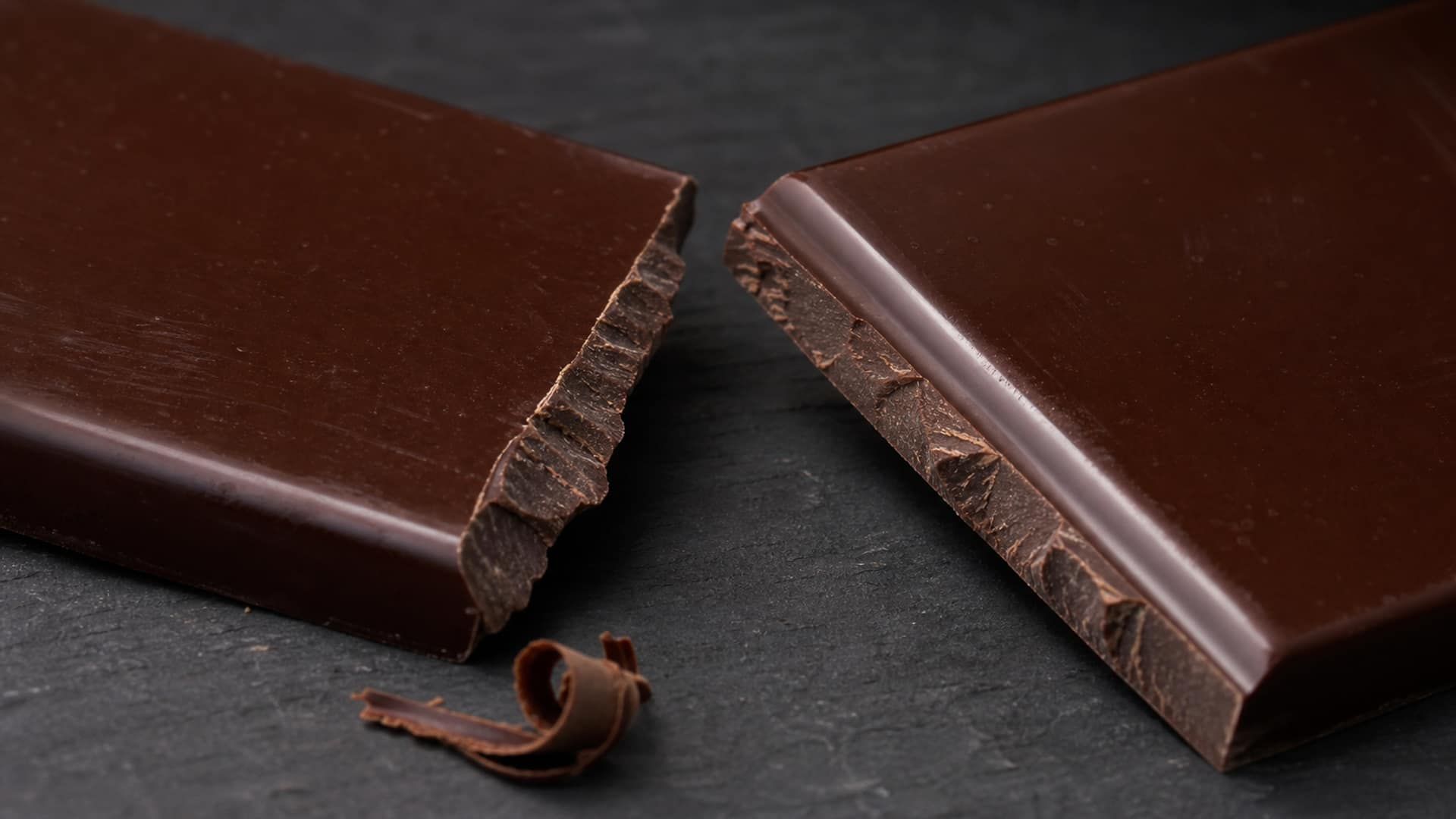
Tempered dark chocolate snapping with a glossy fracture and a clean edge.
Scientific Parameter • 10 min read

Cocoa Butter Polymorphism: Temper Chocolate Reliably

Understand cocoa butter’s six traditional crystal forms, target Form V through controlled pre-crystallization, and reduce bloom through measured process and storage controls.

cocoa-butterpolymorphismtempering
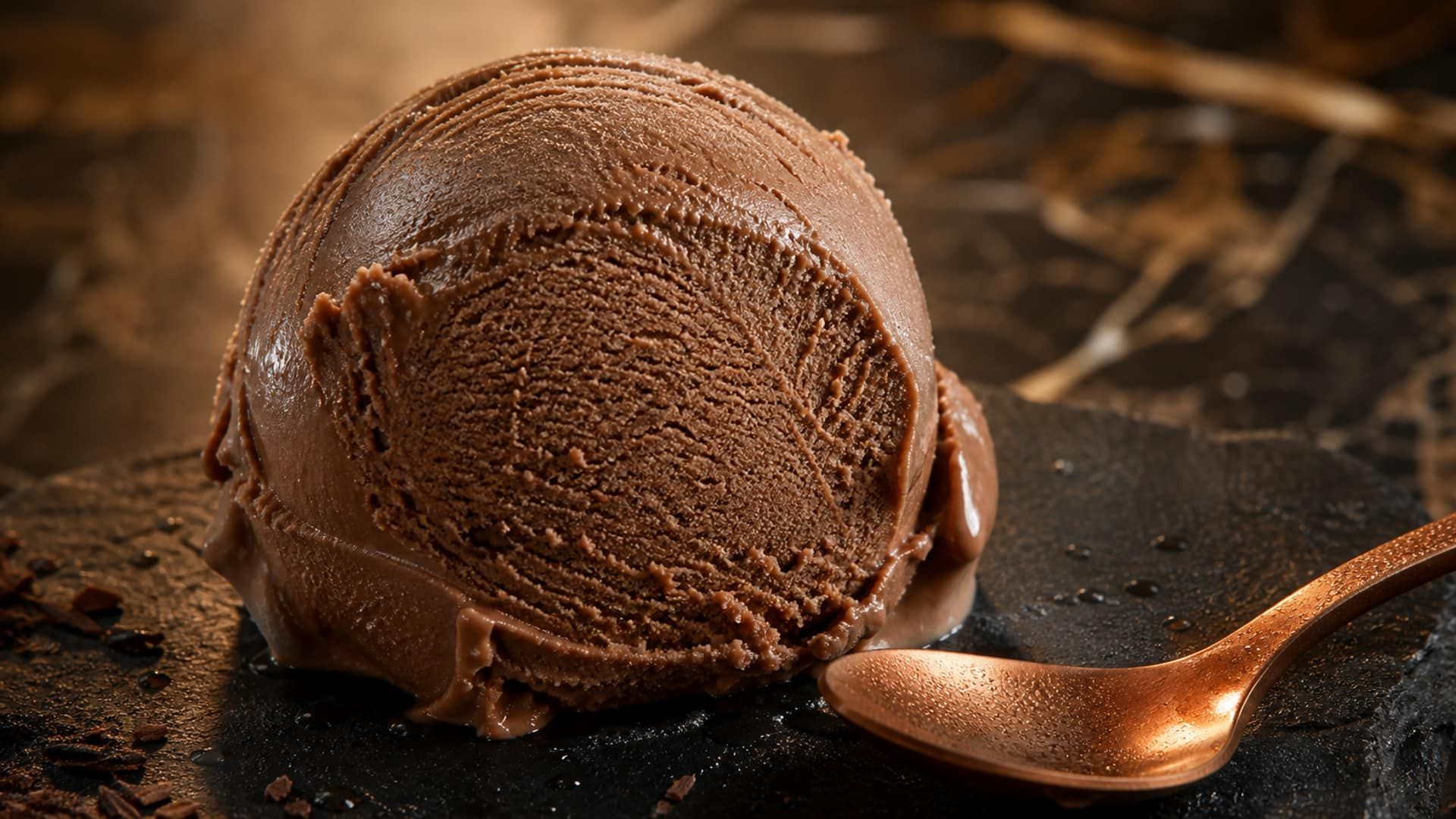
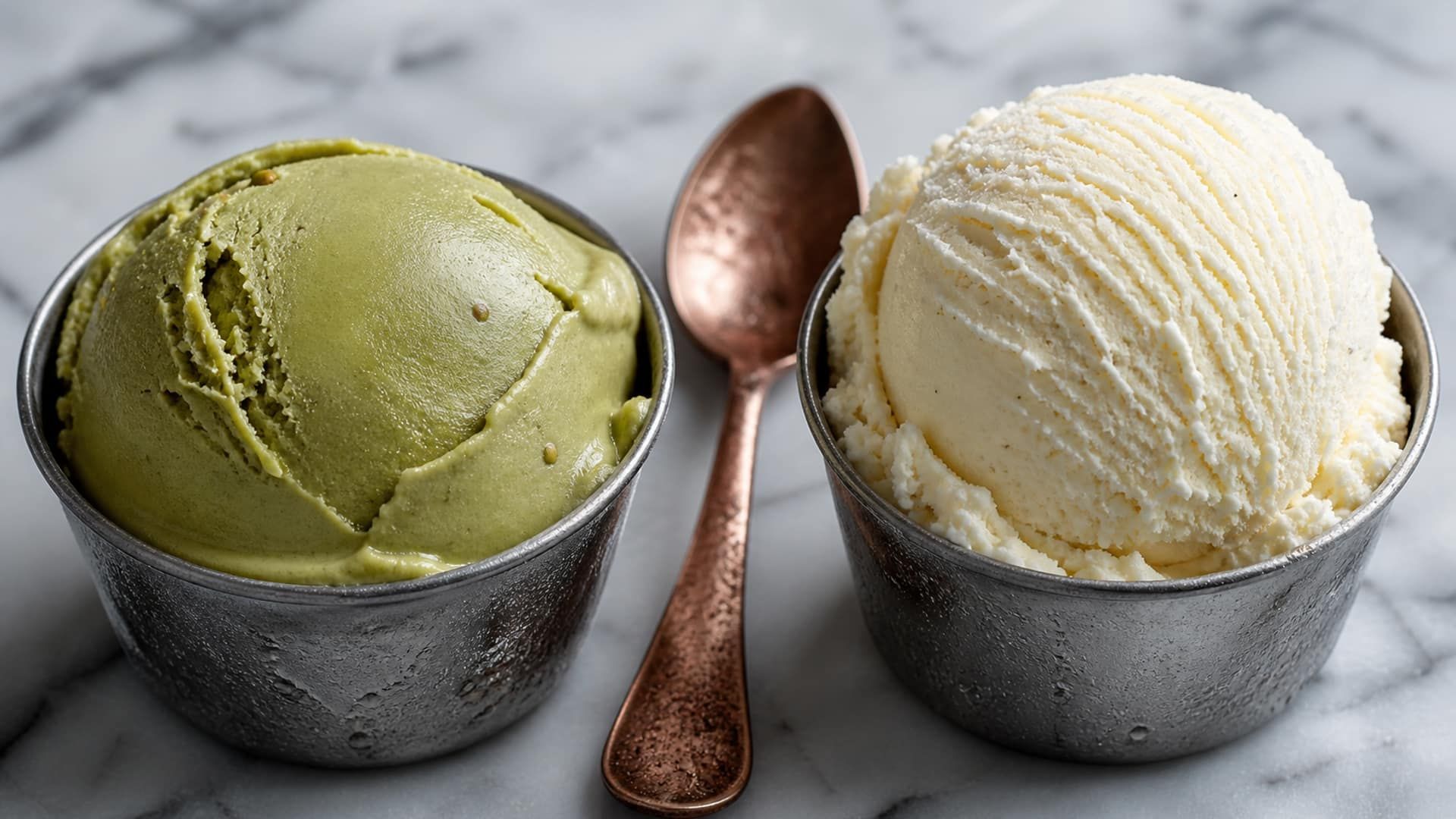
A dense gelato scoop beside a lighter, airier ice cream scoop.
Scientific Parameter • 8 min read

Gelato vs. Ice Cream: Formulation Science Explained

Fat content, overrun, PAC/POD targets, and stabilizer strategy diverge sharply between gelato and ice cream. Understanding why each lever differs is the foundation of formulating either product correctly.

ice-creamgelatooverrun
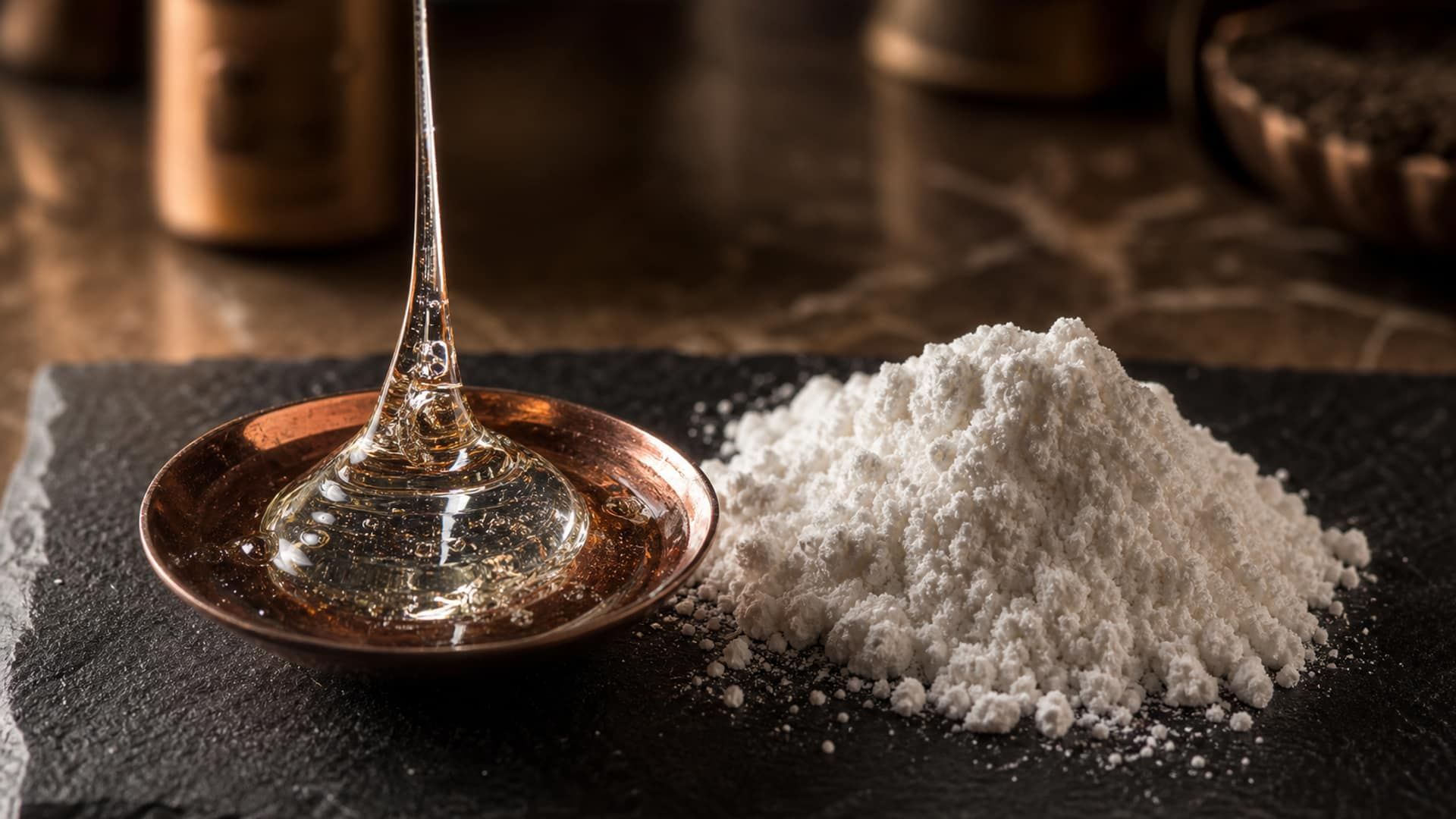
A glossy glucose syrup thread beside a matte mound of glucose powder.
Scientific Parameter • 10 min read

Glucose Syrups and Dextrose Equivalent Explained

Comprehensive analysis of glucose syrups, Dextrose Equivalent (DE) impact on confectionery formulations, and the functional differences between syrup and powder forms.

glucosedextrose-equivalentsweeteners
Paired ingredient swaps in macro — butter beside oil, sugar beside a sweetener.
Scientific Parameter • 11 min read

Ingredient Substitution Science: Match Function, Not Weight

A practical, evidence-based method for replacing fats, sugars, and dairy ingredients without inventing precision that the formulation cannot support.

substitutionfatssugars
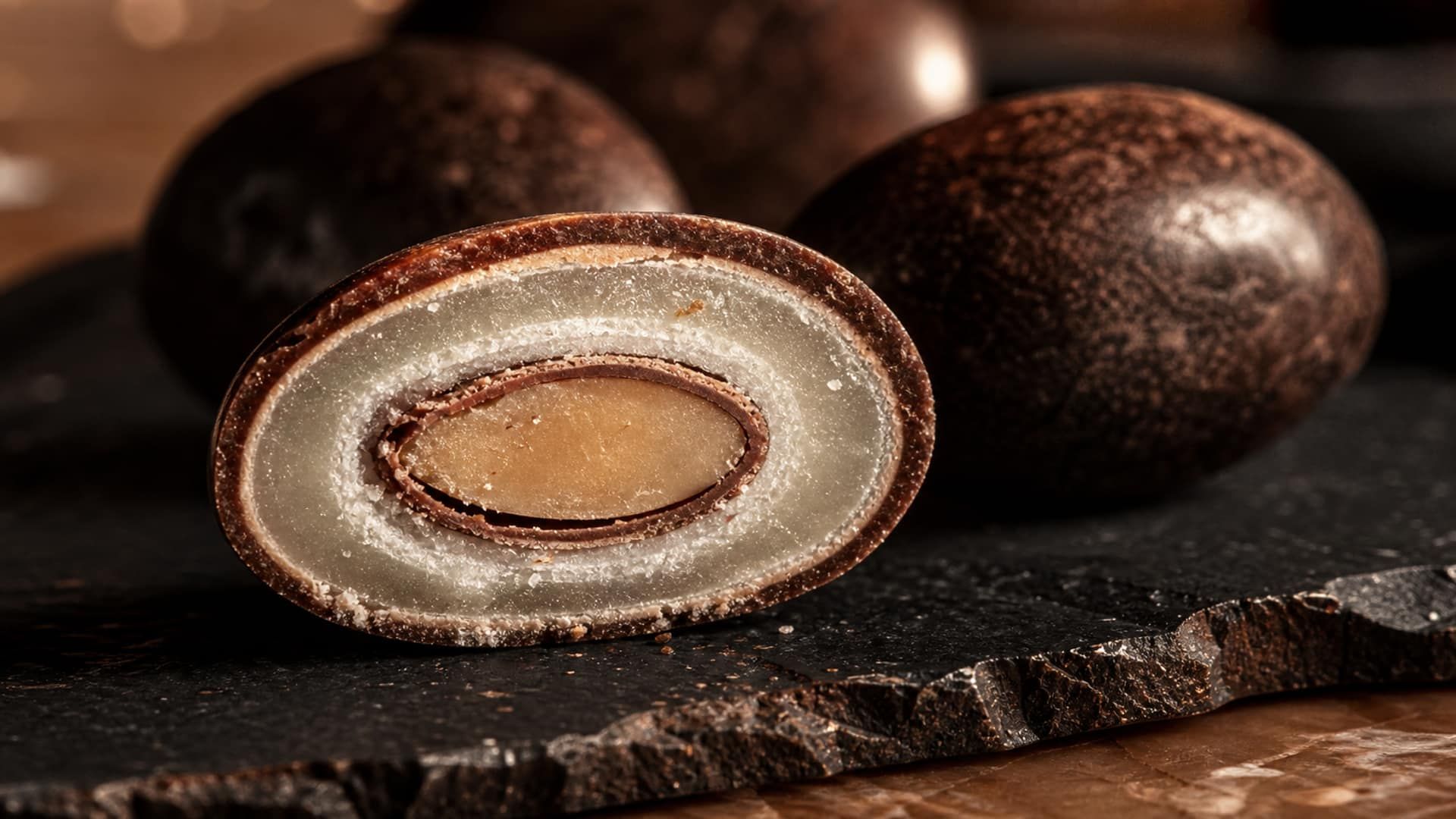
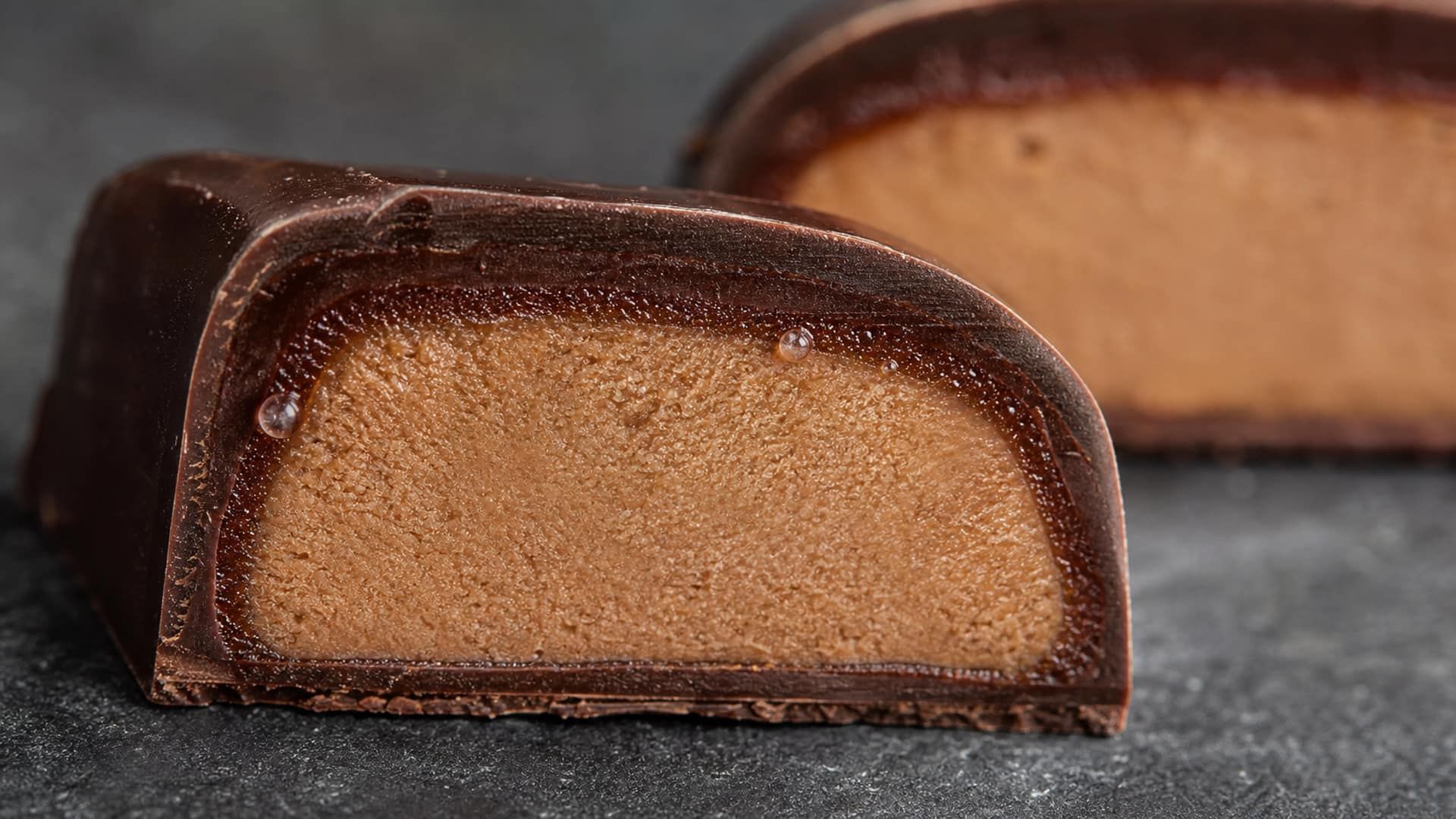
A filled chocolate cross-section showing a moisture front creeping from the centre.
Scientific Parameter • 10 min read

Moisture Migration: Water Activity, Fick's Law, and Packaging

Predict moisture movement by separating its water-activity driving force from diffusion rate, and compare packaging only with WVTR units and test conditions attached.

moisture-migrationwater-activityficks-law
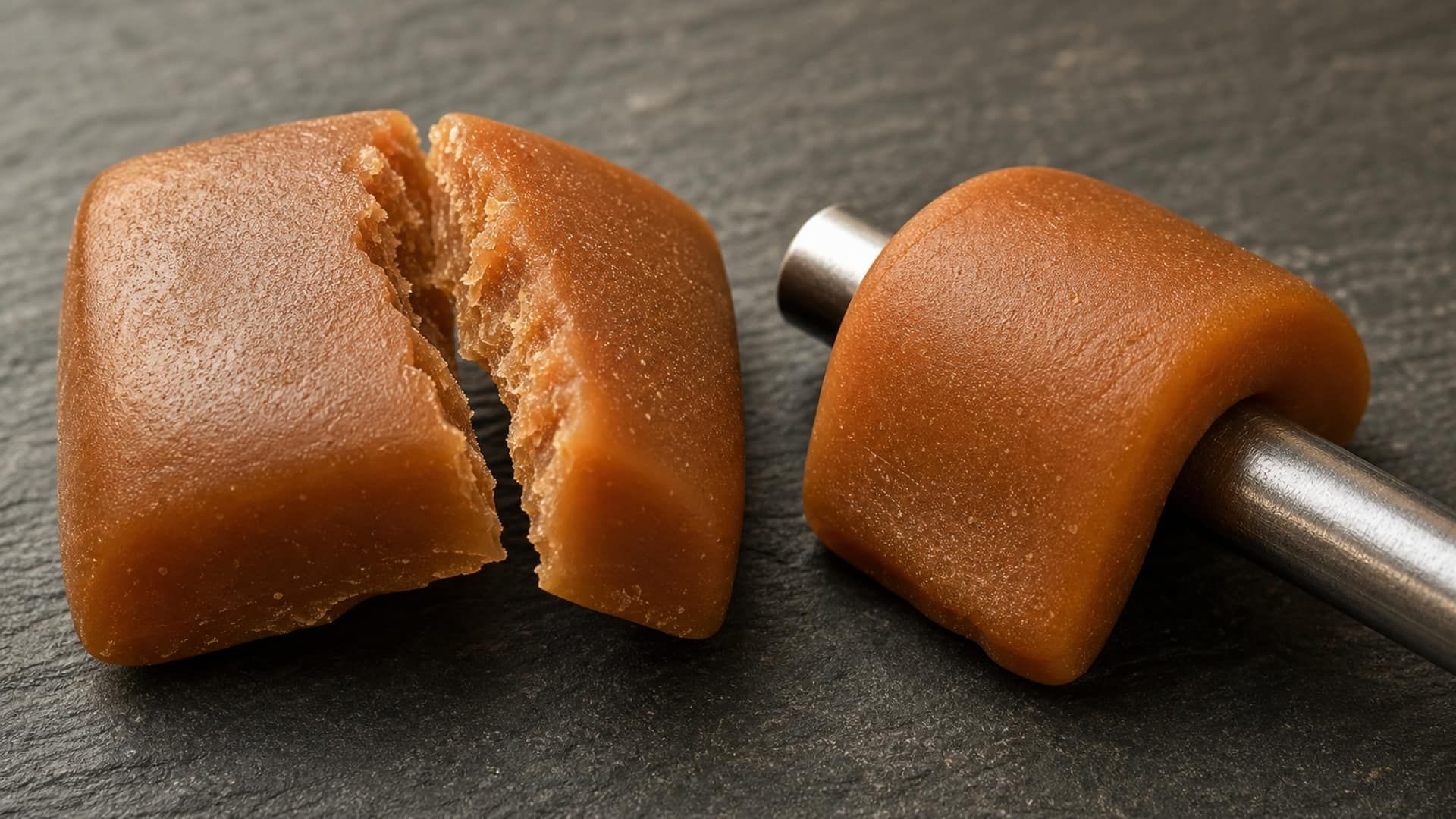
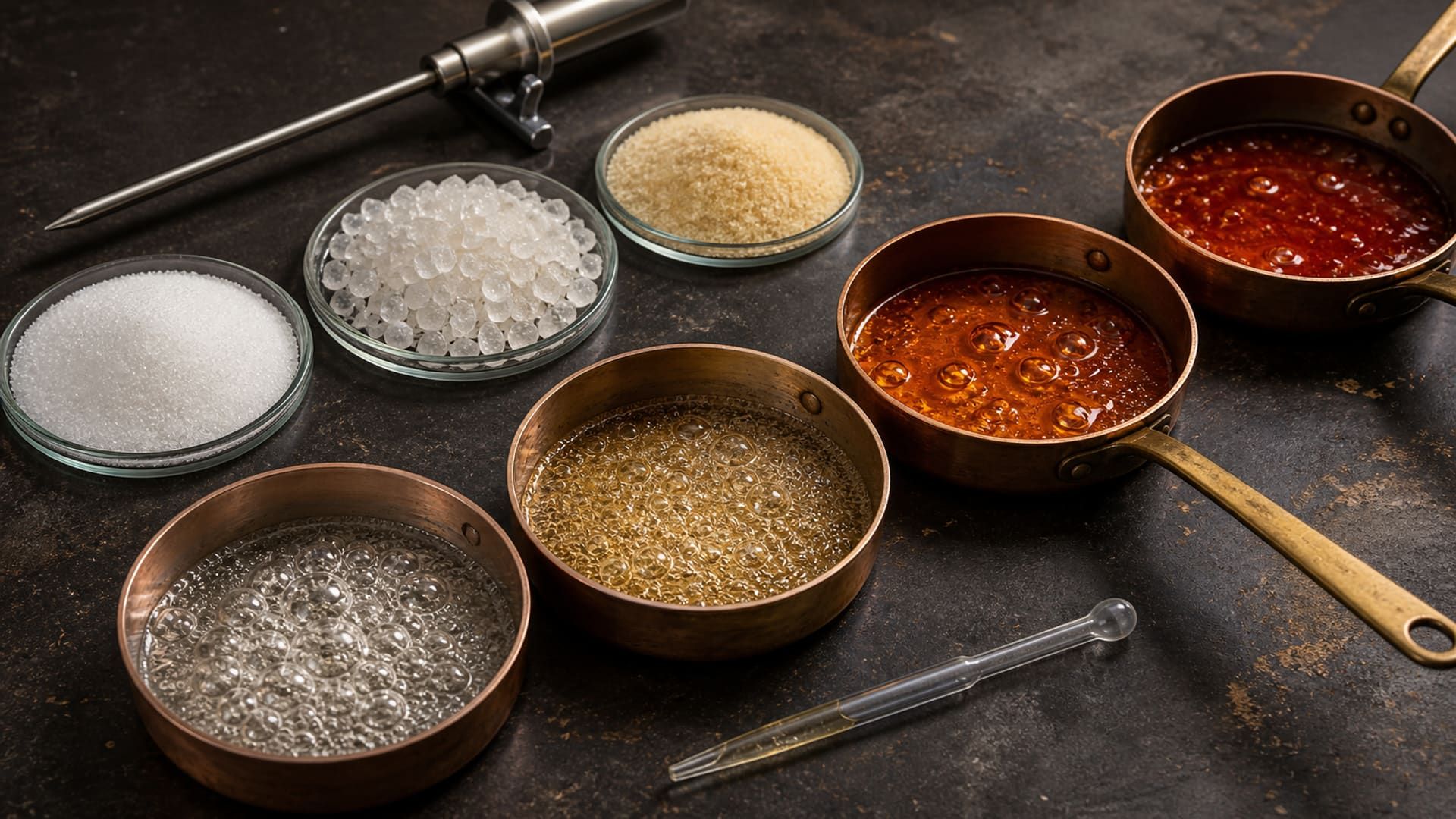
A caramel showing a hard glassy fracture transitioning to a soft pliable edge.
Scientific Parameter • 11 min read

Glass Transition Temperature in Caramel: The Science of Perfect Texture Control

How Formul.io's Caramel Calculator uses glass transition temperature (Tg), moisture-brix relationships, and cooking stage prediction to achieve precise texture control from soft and chewy to hard and...

glass-transitioncarameltexture-control
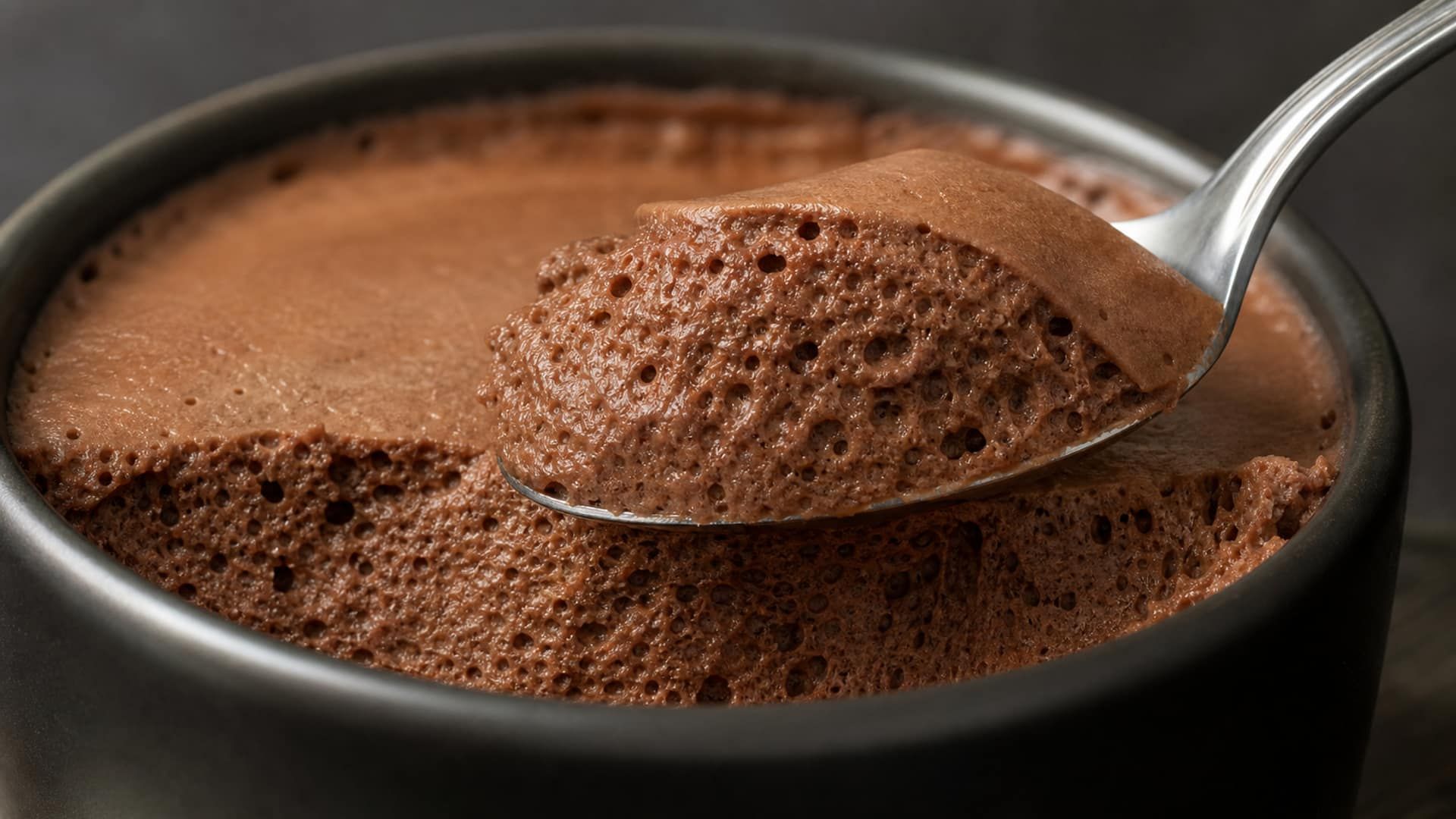
Macro of an airy chocolate mousse showing a lattice of fine air bubbles.
Scientific Parameter • 10 min read

Mousse Science: Foam Stability, Cream, and Gelatin

Build stable mousse by controlling bubble size, cream-fat crystallization, overrun, and gelatin concentration—with practical Bloom conversion and realistic heating guidance.

mousseaerationfoam
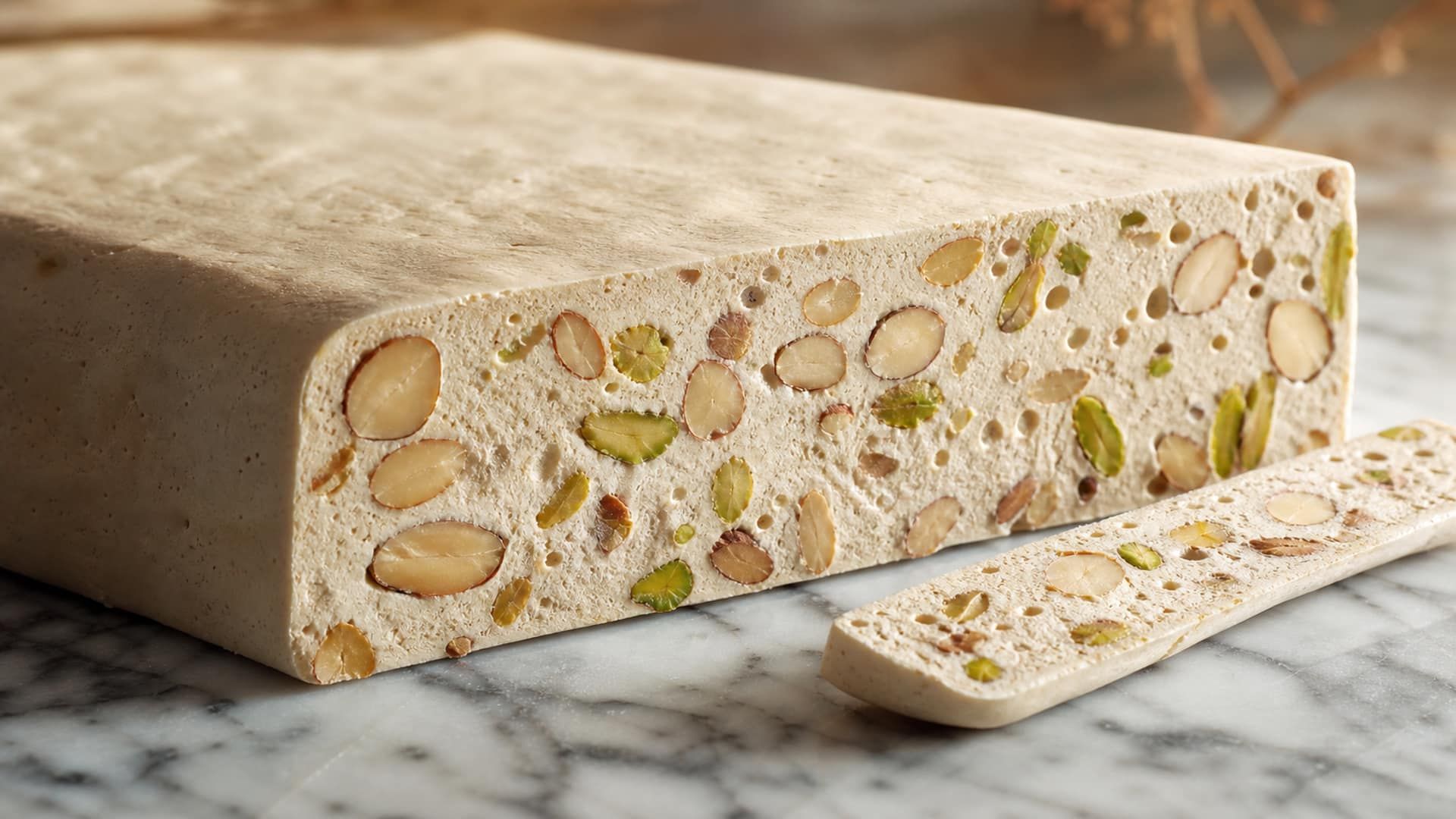
A cut nougat cross-section showing an aerated crumb with whole nuts.
Scientific Parameter • 10 min read

Nougat Texture Science: Moisture, Foam, and Glass Transition

Control nougat texture through syrup concentration, crystallization, aeration, and moisture—with a reproducible Gordon–Taylor example and clear limits for real formulations.

nougatcrystallizationaeration
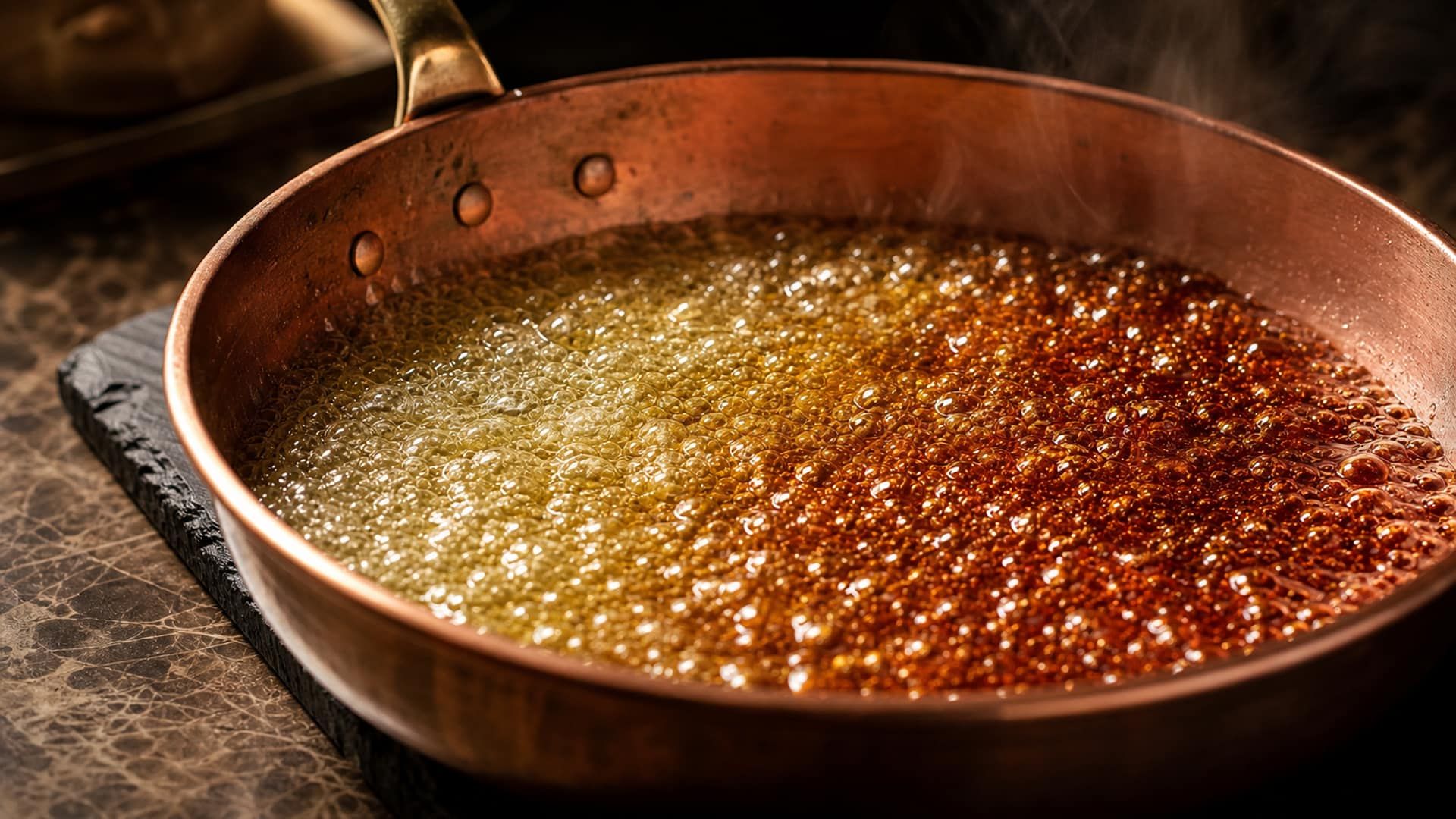
Sugar cooking in a copper pan across a gradient from pale gold to deep amber.
Scientific Parameter • 10 min read

Maillard Reaction vs Caramelization: Caramel Browning by Temperature, pH, and Sugar Type

Two reactions, one pan: Maillard (110–165°C) and caramelization (110–180°C) shape every caramel's flavor. Learn the temperature windows, pH levers, sugar reactivity, and the 7-stage cooking guide for deliberate flavor control.

maillardcaramelizationflavor
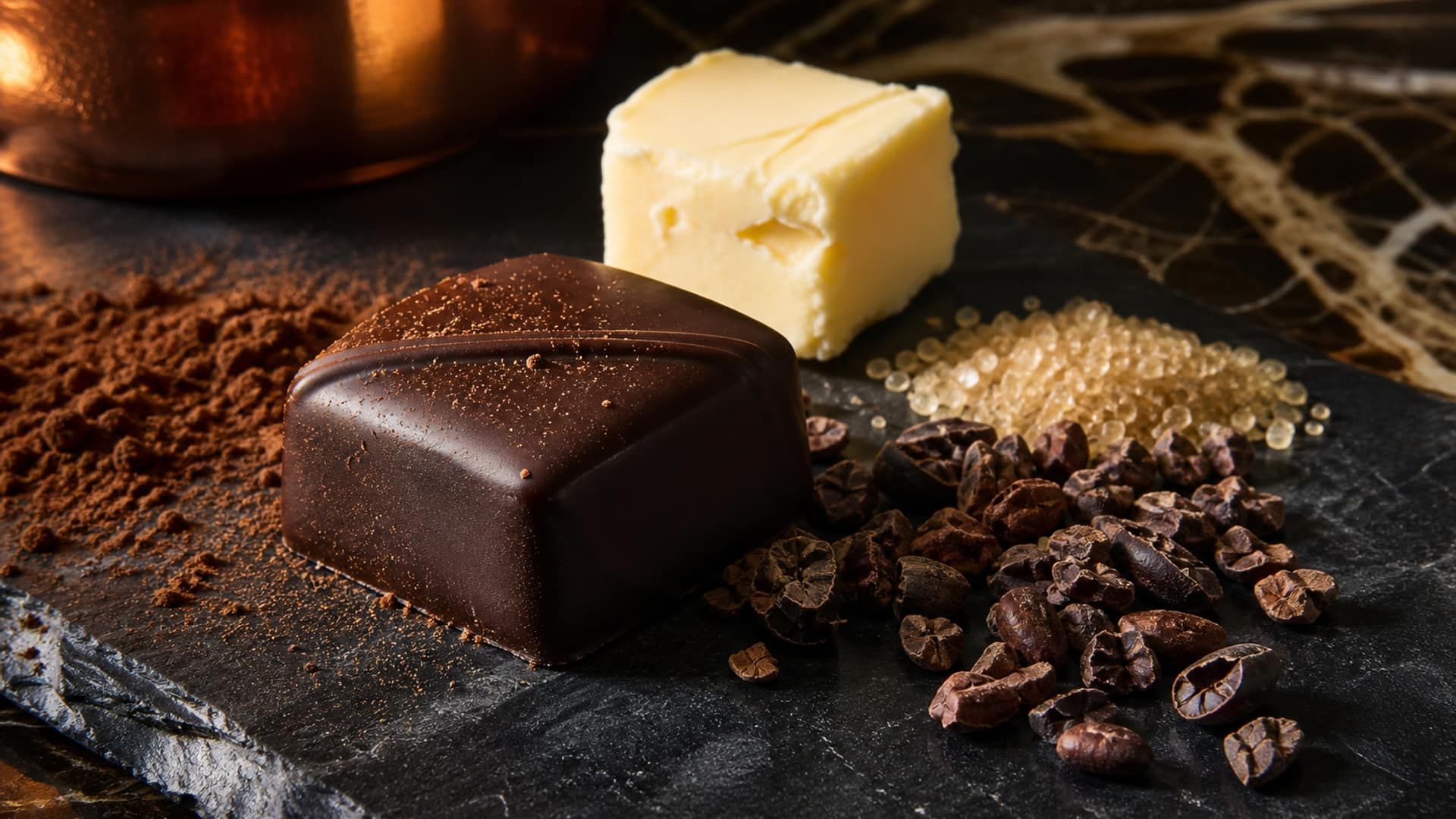
A dark chocolate bonbon beside its raw components — cocoa nibs, sugar, and butter.
Scientific Parameter • 10 min read

Nutri-Score for Confectionery: Updated Algorithm

Understand the current Nutri-Score algorithm for general solid foods, why confectionery tends toward D or E, and how to evaluate reformulation without outdated thresholds.

nutri-scorenutritionreformulation
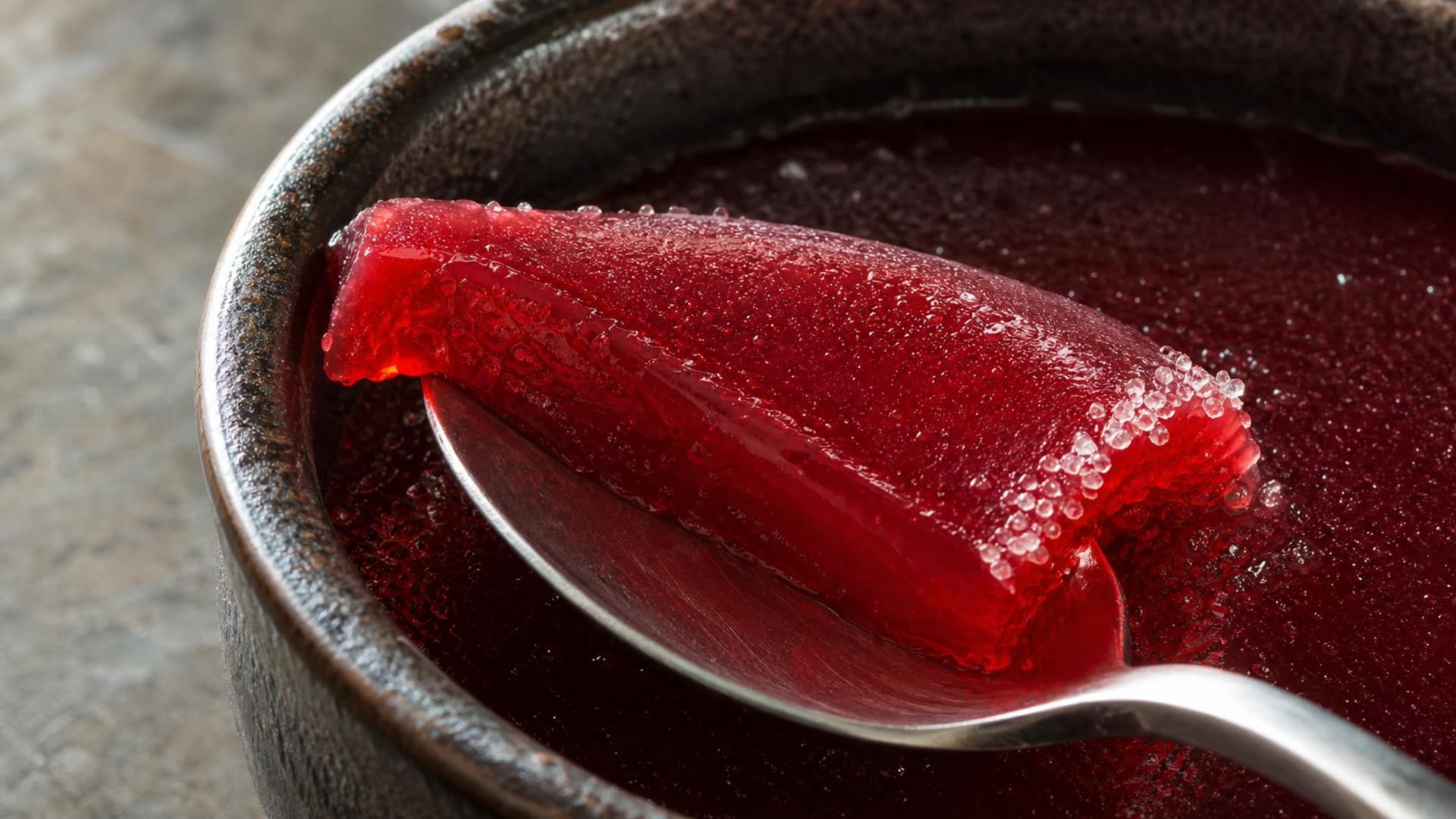
A translucent pâte de fruit gel holding a clean fold as a spoon lifts it.
Scientific Parameter • 12 min read

Pectin Gelation in Pâte de Fruit: The Science of pH and Gel Strength Control

How Formul.io's Pâte de Fruit Calculator uses pectin chemistry, pH management, and Brix-dependent gelation models to predict gel strength from soft spreads (30-45) to firm confections (65-80) with pro...

pectin-gelationpate-de-fruitgel-strength
A clean ice cream scoop showing a fine, smooth ice-crystal texture.
Scientific Parameter • 10 min read

POD and PAC in Ice Cream: A Practical Science Guide

Learn what POD and PAC indices can—and cannot—tell you about sweetness, freezing-point depression, scoopability, and sugar selection in frozen desserts.

pod-pacice-creamfreezing-point
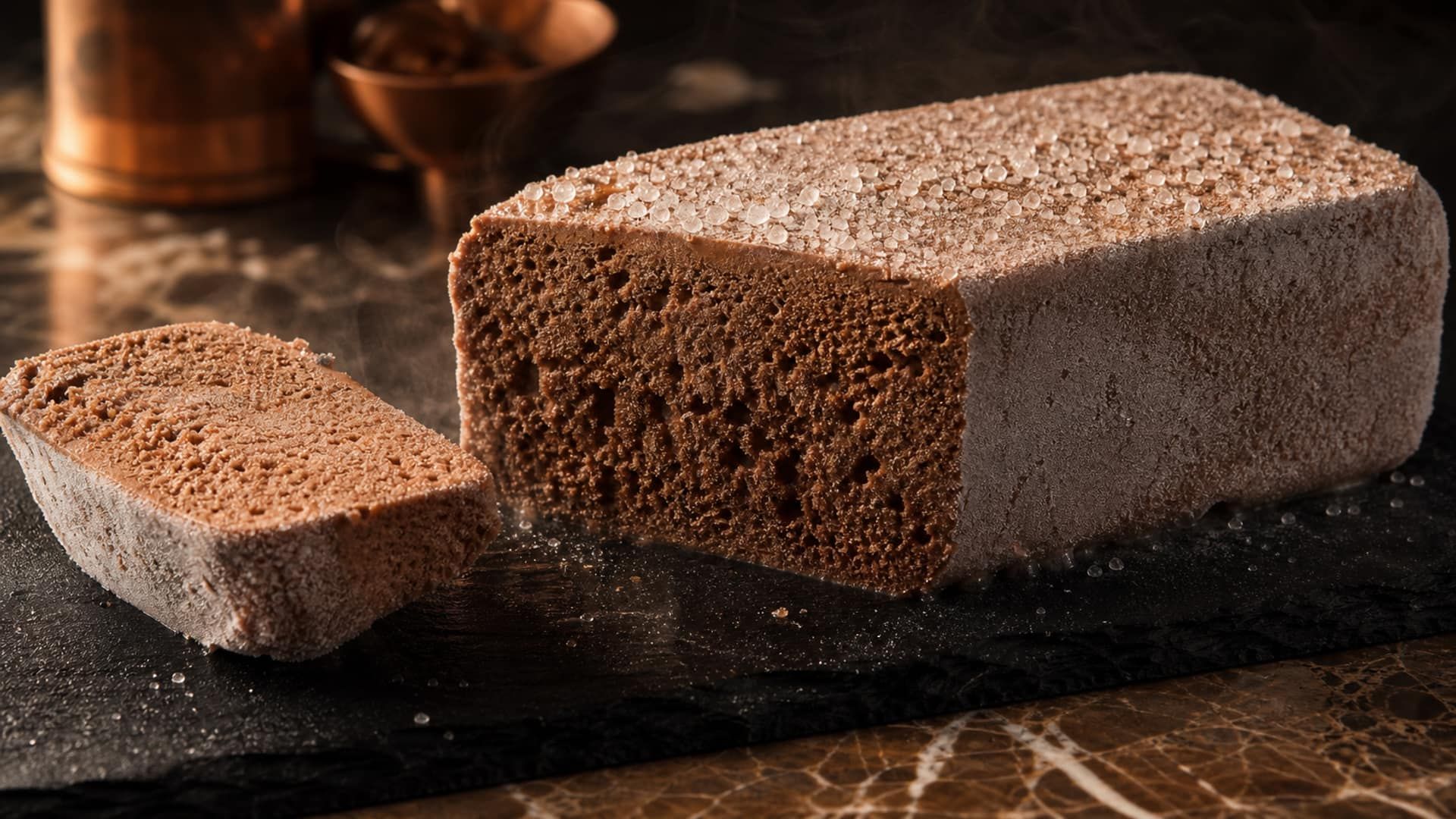
A frost-dusted frozen aerated confection with fine sparkling sugar crystals.
Scientific Parameter • 9 min read

Trehalose: Properties, Uses, and Science in Confectionery

How a non-reducing disaccharide with the molecular weight of sucrose but under half its sweetness protects frozen, aerated, and freeze-dried confectionery.

trehalosedisaccharidesugar
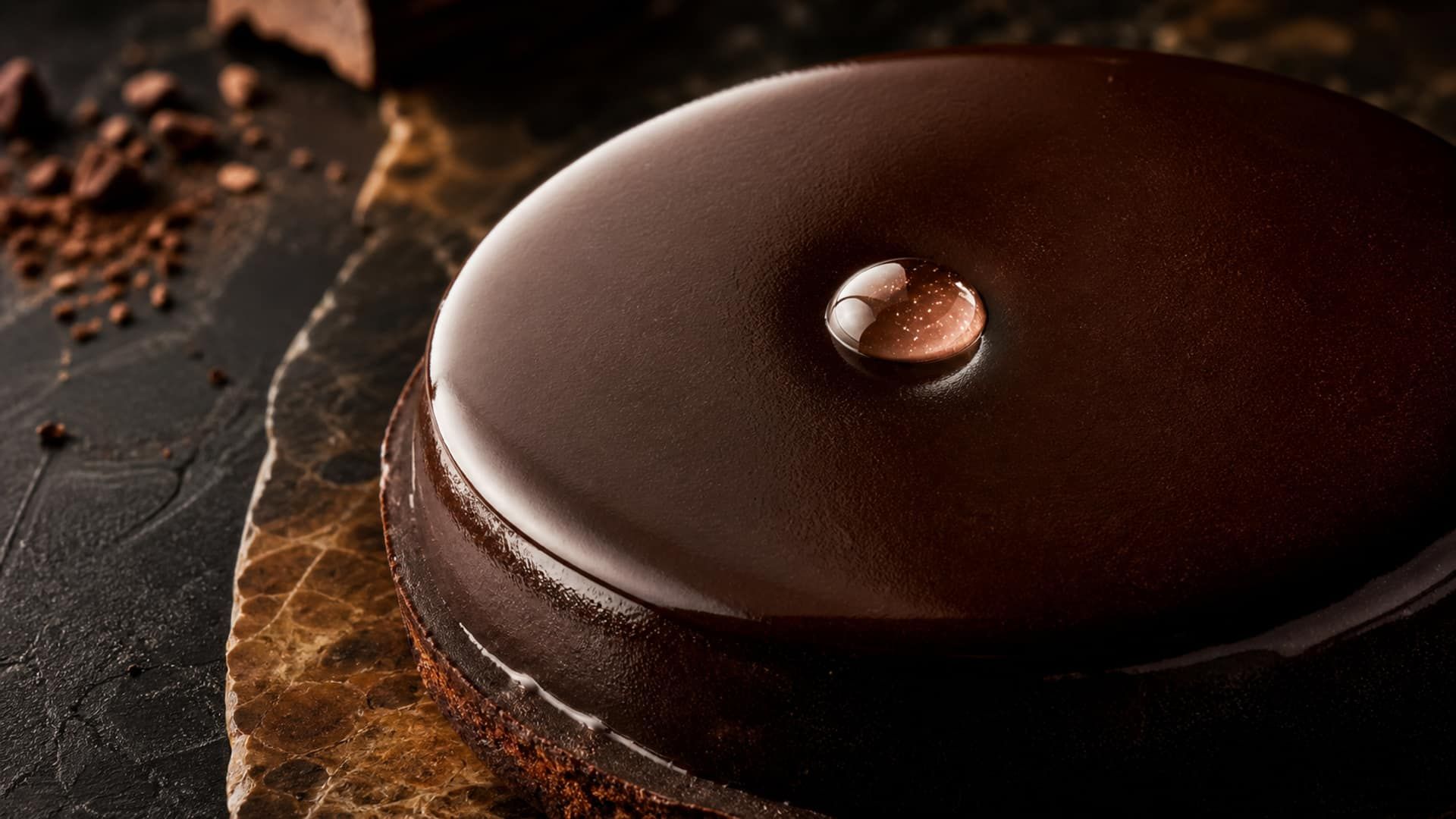
Macro of a glossy dark ganache surface with a single water droplet.
Scientific Parameter • 11 min read

Water Activity in Ganache: The Science Behind Shelf Life Prediction

How the Formul.io Ganache Calculator estimates water activity from a formulation's sugar, polyol, and alcohol composition to predict microbial shelf life — and how to use those numbers responsibly.

water-activityganacheshelf-life
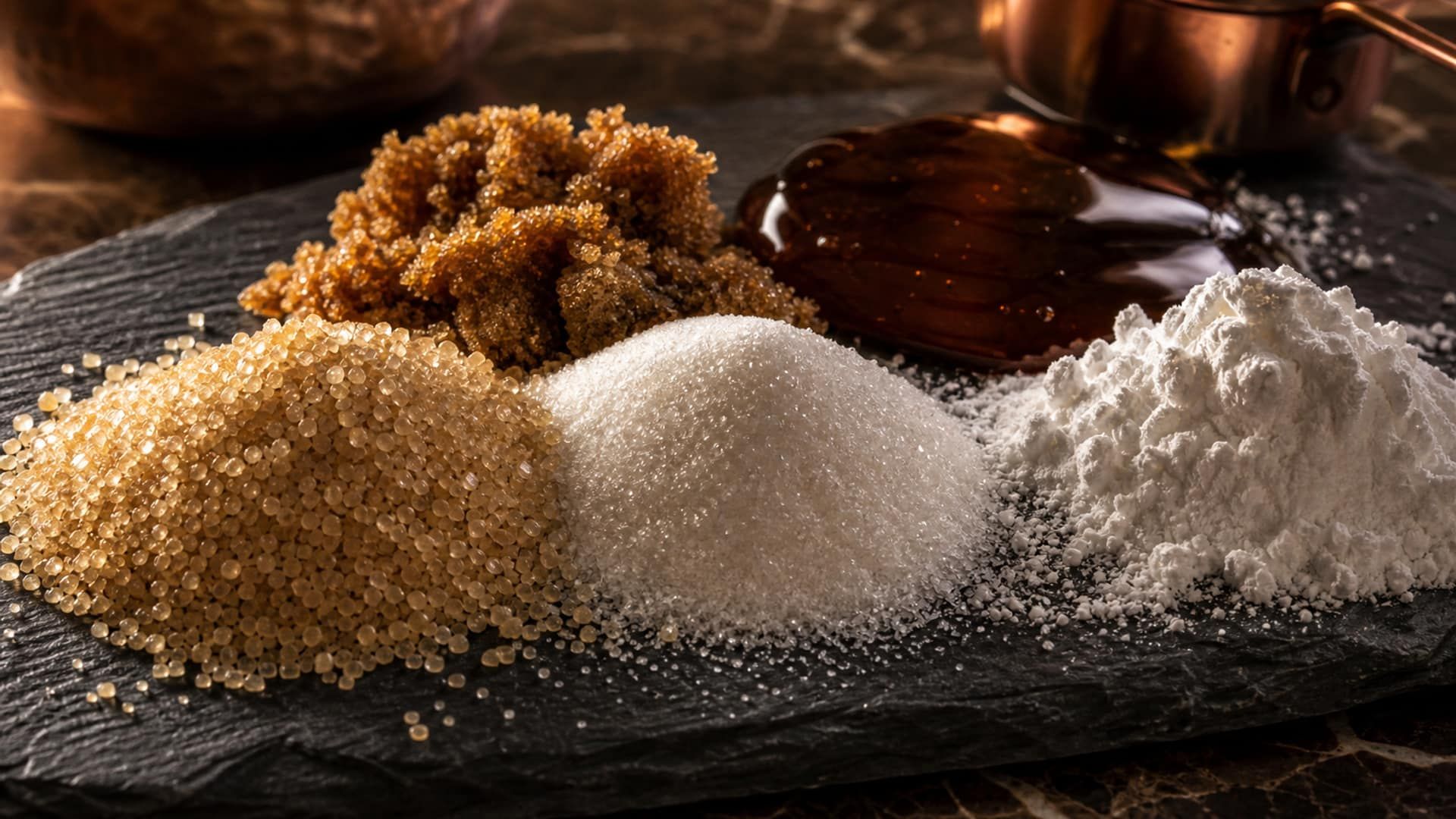
Mounds of different sugars — coarse crystals, fine caster, syrup, and powder.
Scientific Parameter • 10 min read

Sugar Types in Confectionery: Choose by Function

Compare sucrose, glucose, fructose, invert sugar, syrups, lactose, and trehalose by chemistry, sweetness, freezing effect, crystallization, and water activity.

sugarsucroseglucose
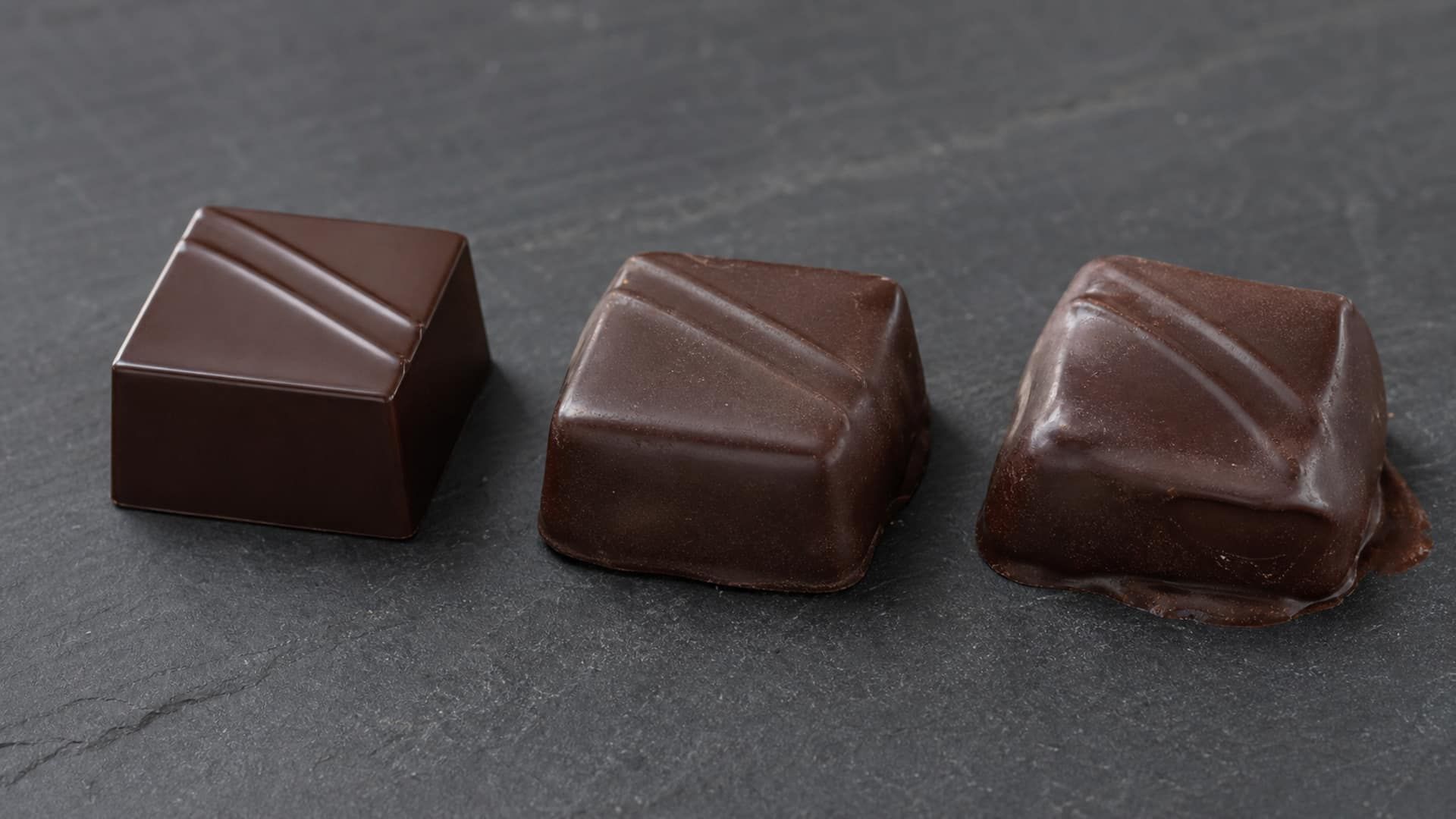
A chocolate bonbon softening and slumping, with a glossy melt pooling at its base.
Scientific Parameter • 12 min read

Temperature & Shelf Life: The Arrhenius Equation in Confectionery

How temperature accelerates confectionery aging through the Arrhenius equation and Q10 model. Learn why storing chocolate at 25°C instead of 18°C can halve your product's shelf life, with the mathematics to prove it.

temperaturearrheniusq10
Various confectionery products showing aging stages
Scientific Parameter • 7 min read

Why Confectionery Spoils: 4 Aging Mechanisms and How to Manage Them

Every confectionery product starts degrading the moment it's made. The four aging mechanisms behind shelf life, and which formulation levers actually control them.

agingshelf-lifequality-degradation