Production Problems
Diagnose and solve common confectionery failures. Expert solutions for split ganache, grainy textures, and production challenges.
Technical Recipes
Data-driven formulations with calculated water activity, shelf-life estimates and texture characteristics for professional confectionery.
Reference Guides
Comprehensive educational content on food science principles, ingredient properties, and professional formulation techniques.
Scientific Parameters
Core principles of confectionery science including water activity, glass transition, crystallization, and long-term product stability.
Featured Articles
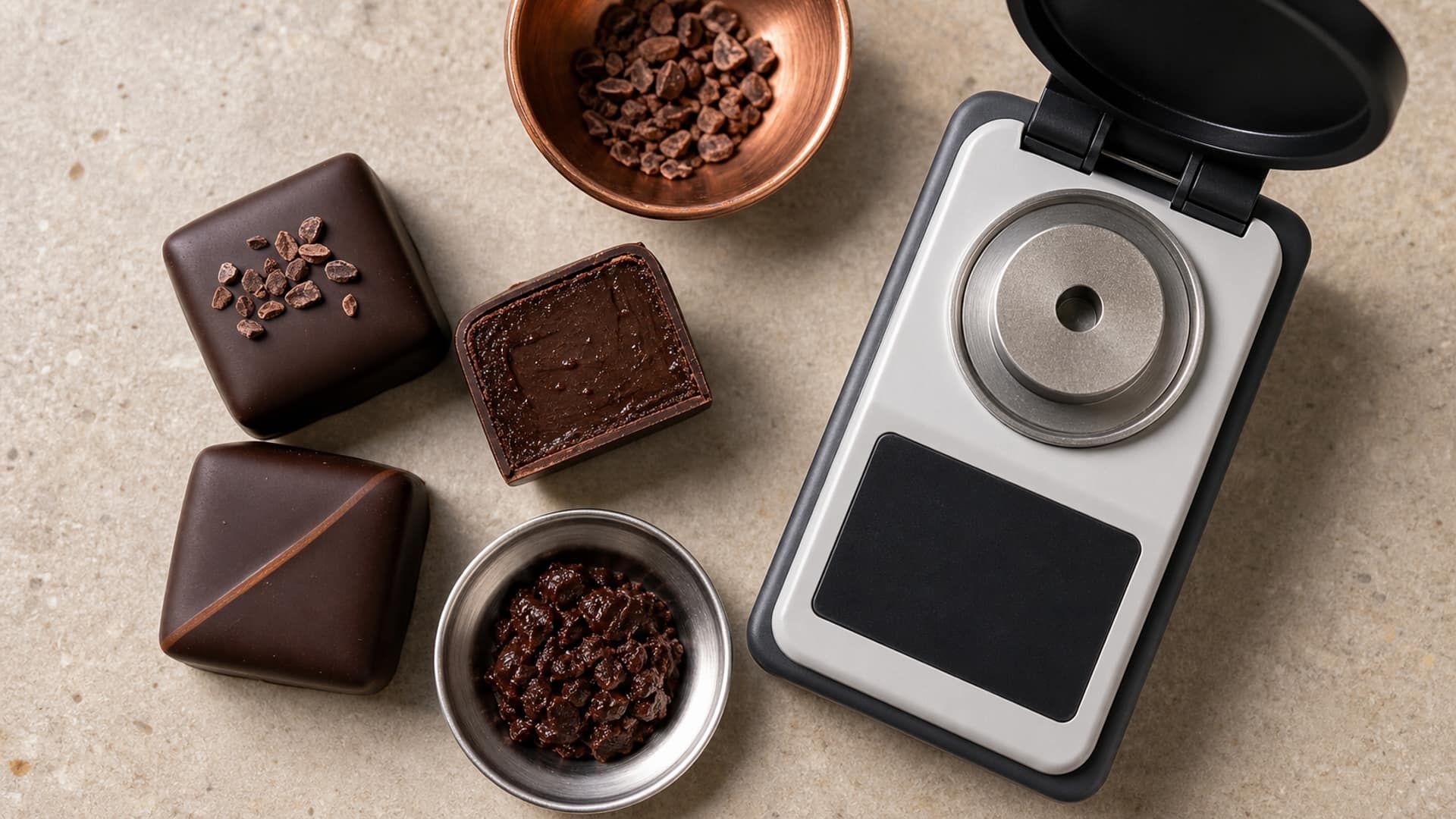
Water Activity Calculator for Ganache and Filled Chocolates
Calculate water activity from your formulation, compare ingredient changes, and use recipe-level predictions to plan shelf-life testing for filled chocolates.
Read article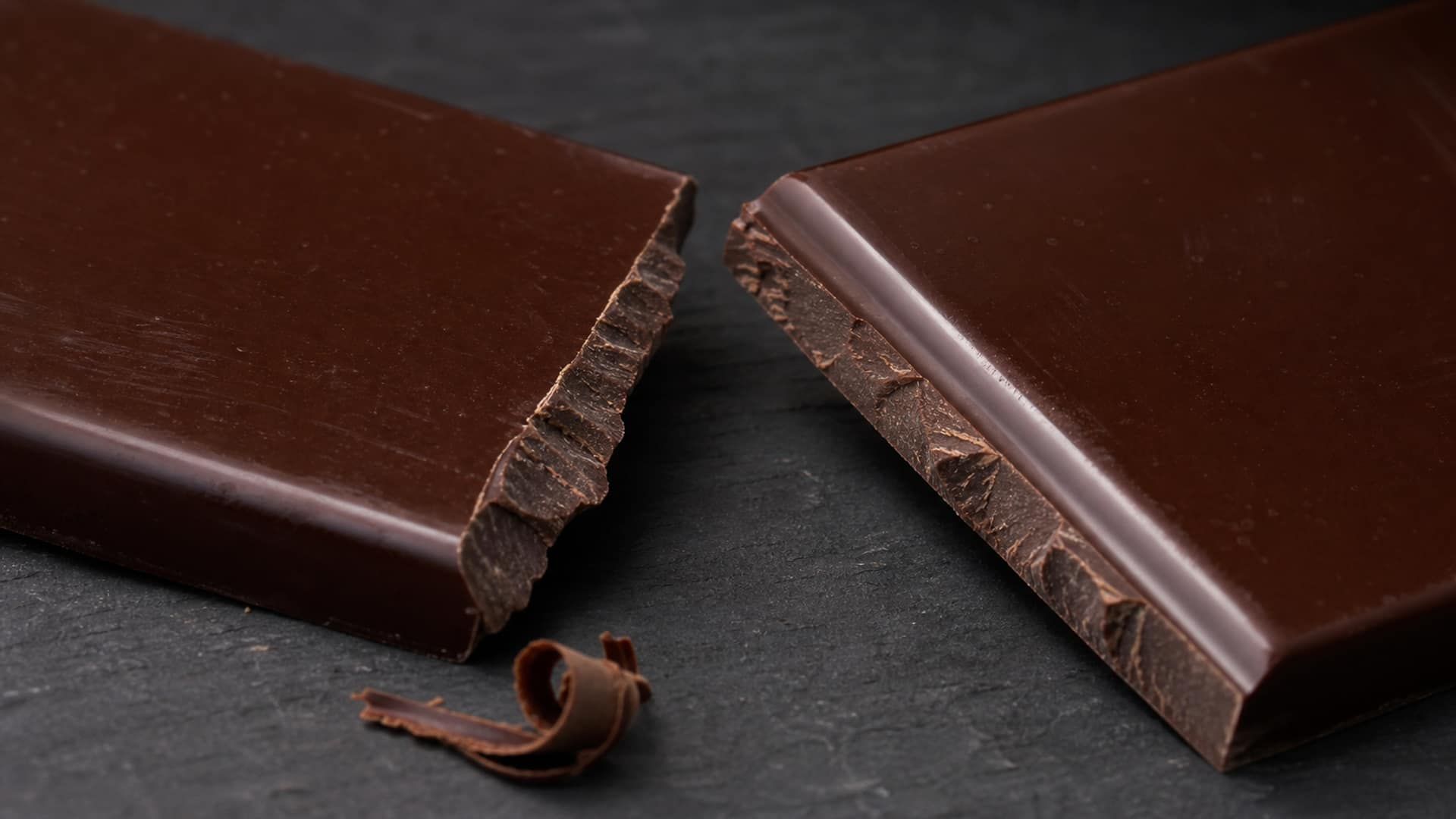
Cocoa Butter Polymorphism: Temper Chocolate Reliably
Understand cocoa butter’s six traditional crystal forms, target Form V through controlled pre-crystallization, and reduce bloom through measured process and storage controls.
Read article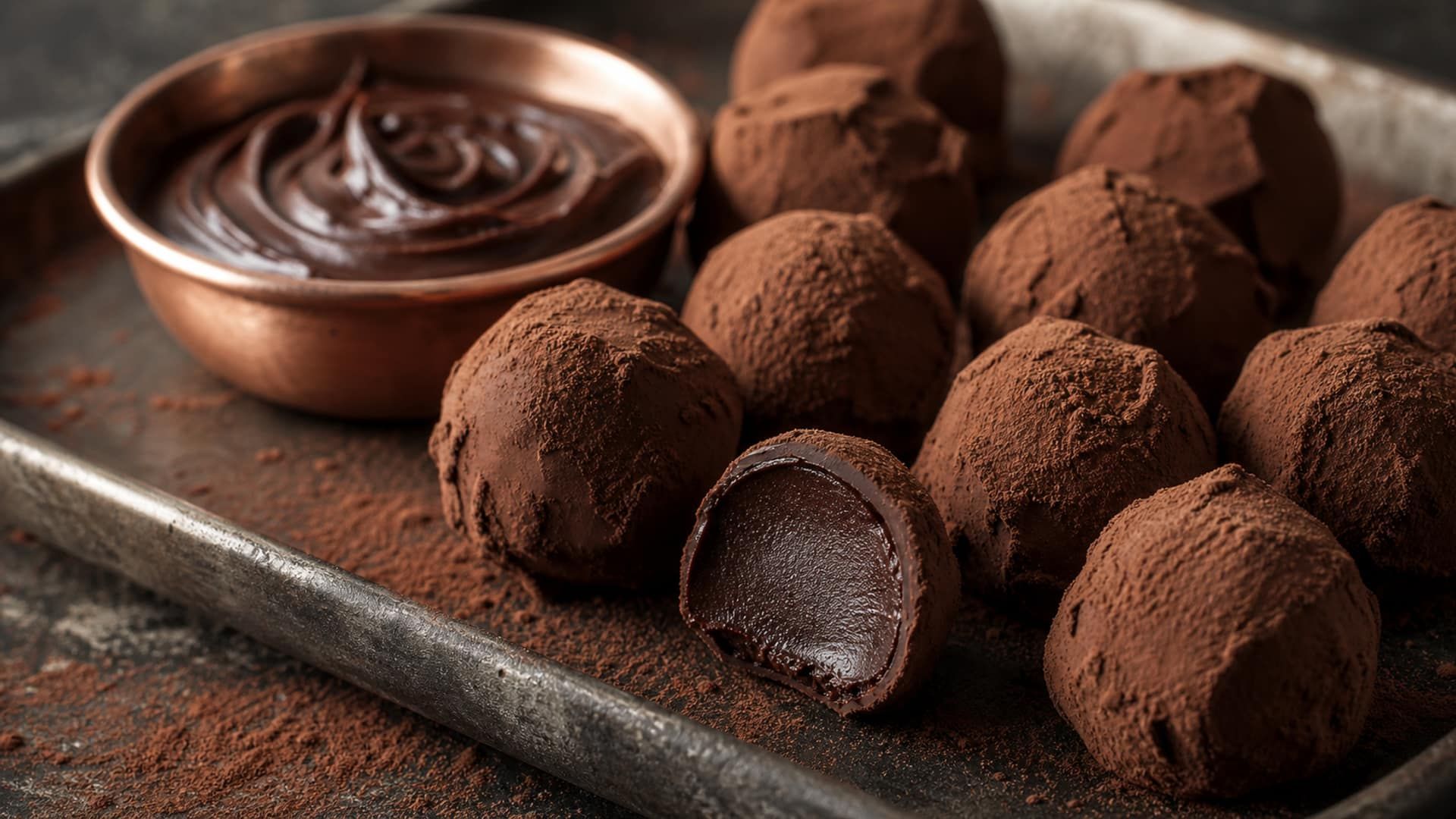
Dark Chocolate Truffle Ganache: A Step-by-Step Calculator Walkthrough
Learn to formulate a dark chocolate truffle ganache against an Aw 0.75 target using the Formul.io calculator. Covers ingredient entry, metric interpretation, adjustments, and process control toward a 21-day ambient shelf life.
Read article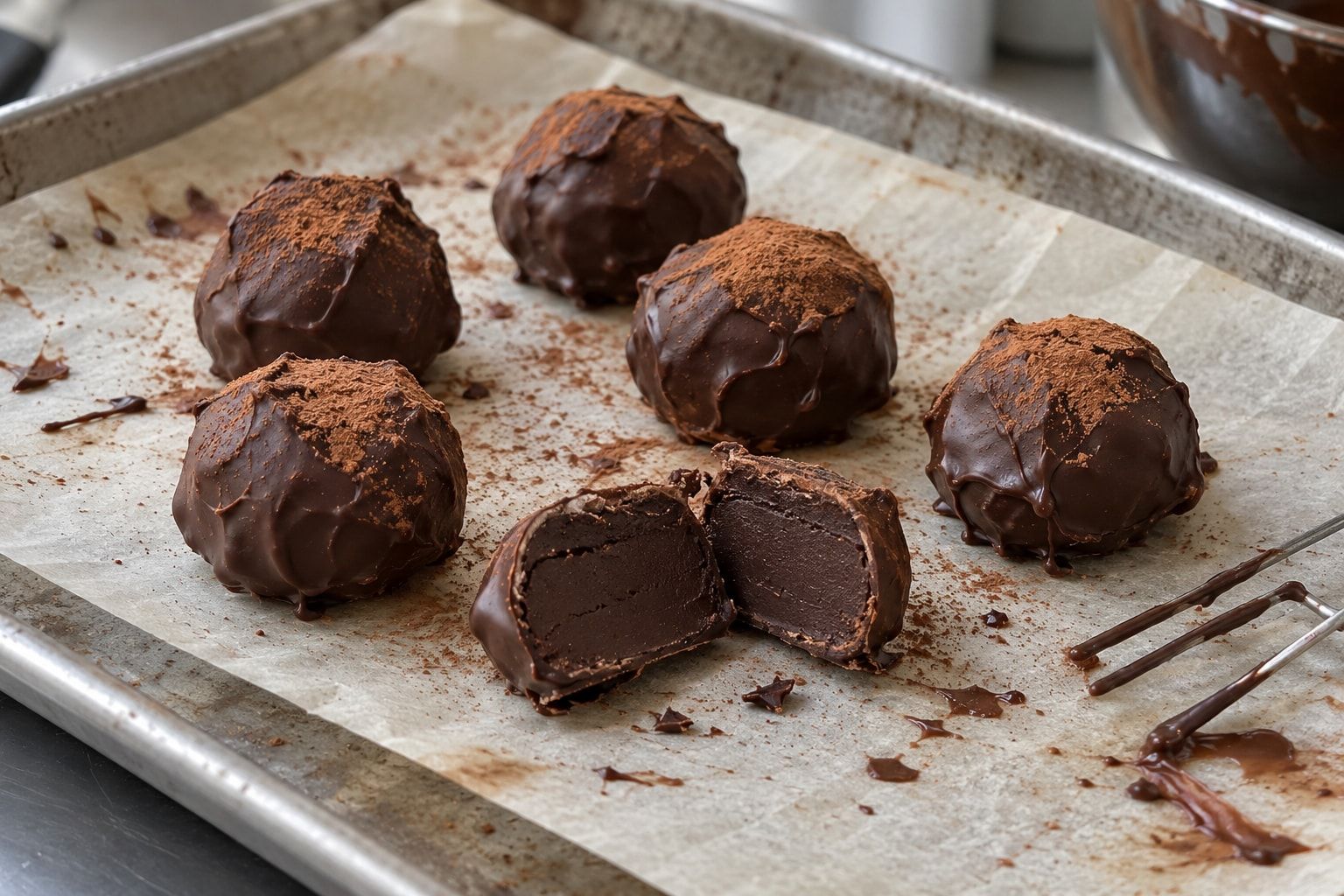
How to Coat Truffles in Chocolate: Pre-Coating, Dipping and Cocoa Finishes
Coat hand-rolled ganache truffles in a thin, glossy shell that does not crack: a room-temperature centre, a hand pre-coat, one fork dip in tempered chocolate, and a cocoa or textured finish.
Read articleProduction Problems
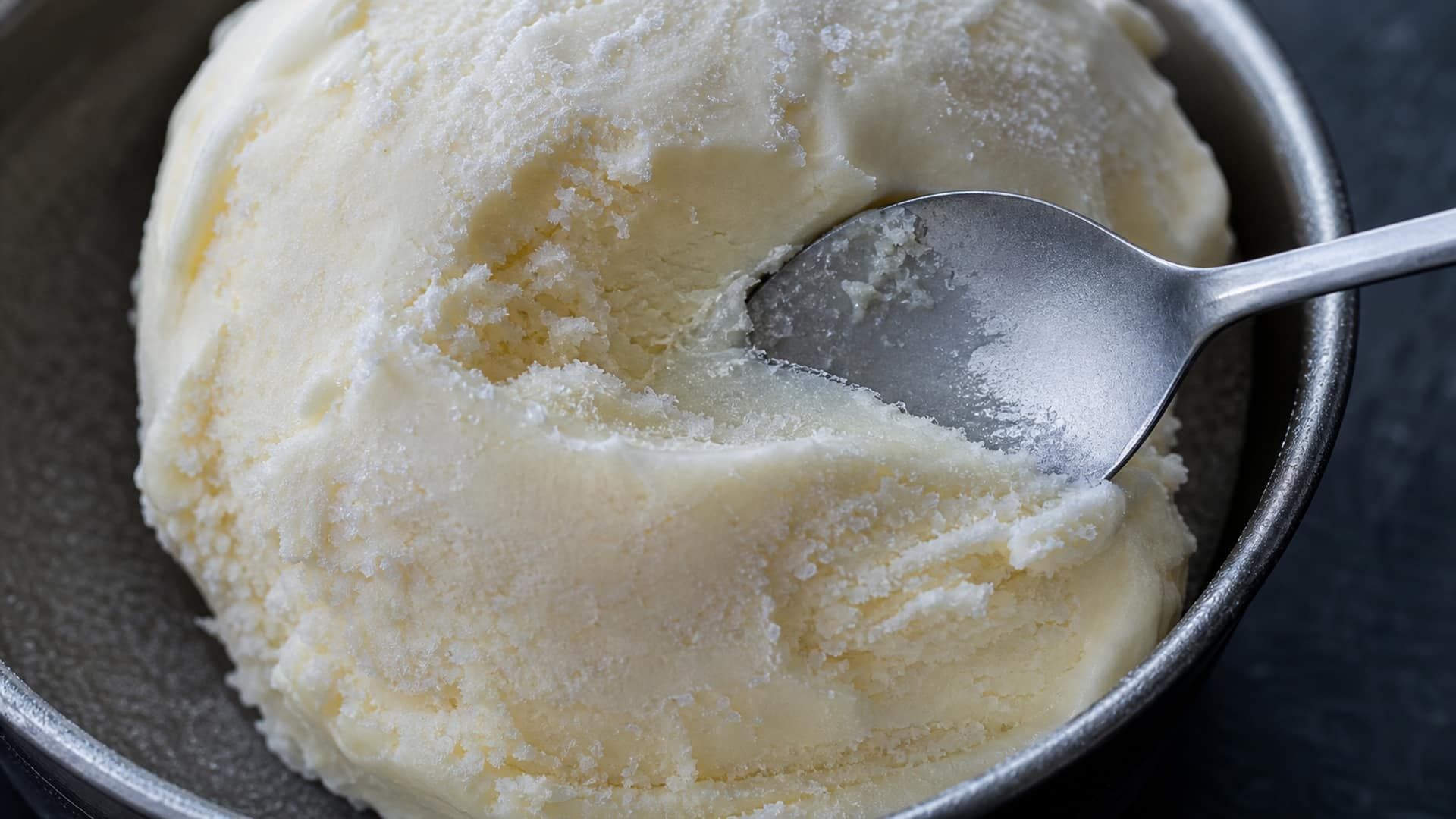
Ice Cream Too Hard or Icy? Find the Cause and Fix It
Rock-hard straight from the freezer and icy after a week are two different faults. Diagnose which one you have, then fix it with sugar swaps, stabilizer and storage.
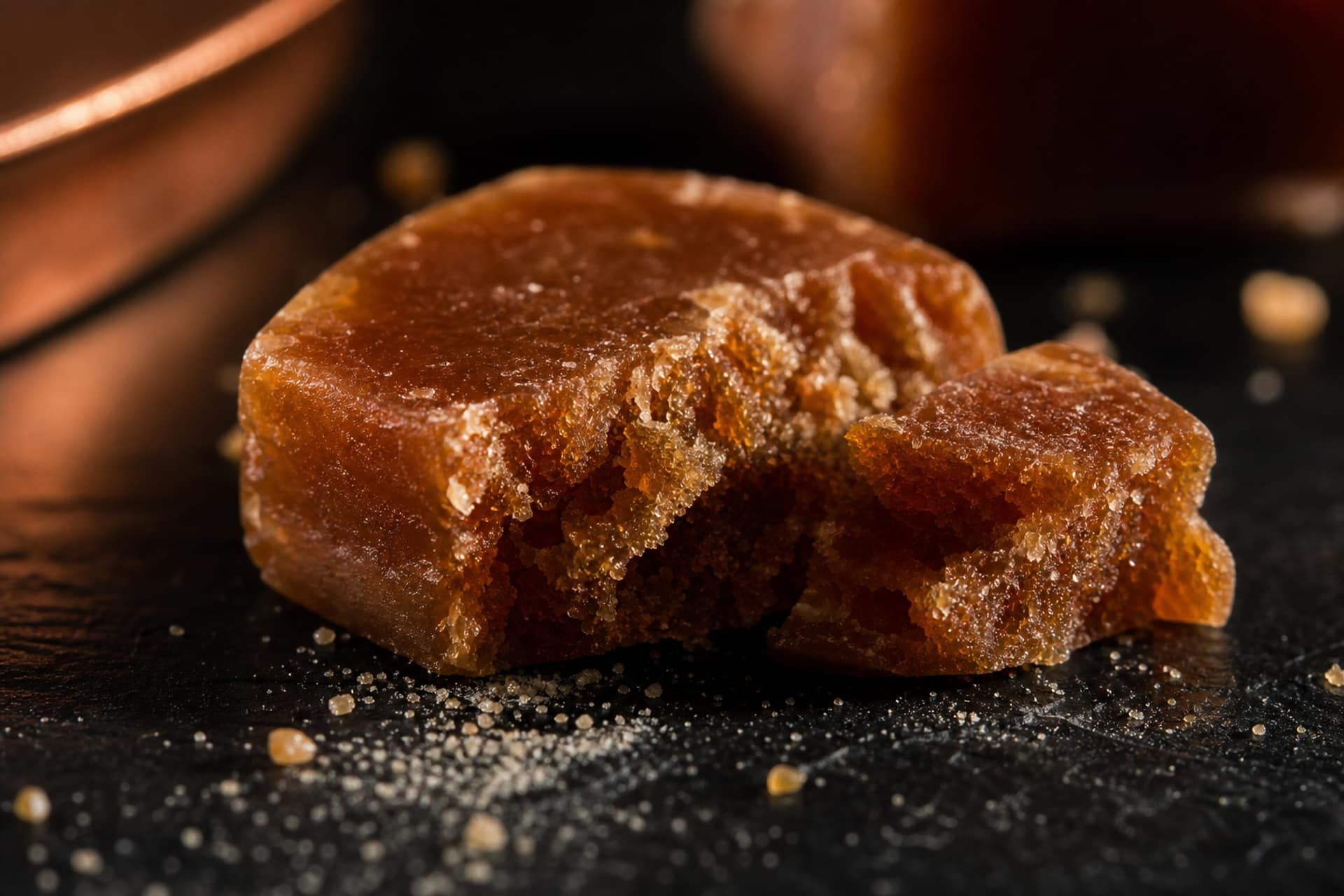
My Caramel Crystallized During Storage
Grainy, sandy, or white caramel that crystallized after production? Learn the five root causes of sucrose graining and how to prevent each one.
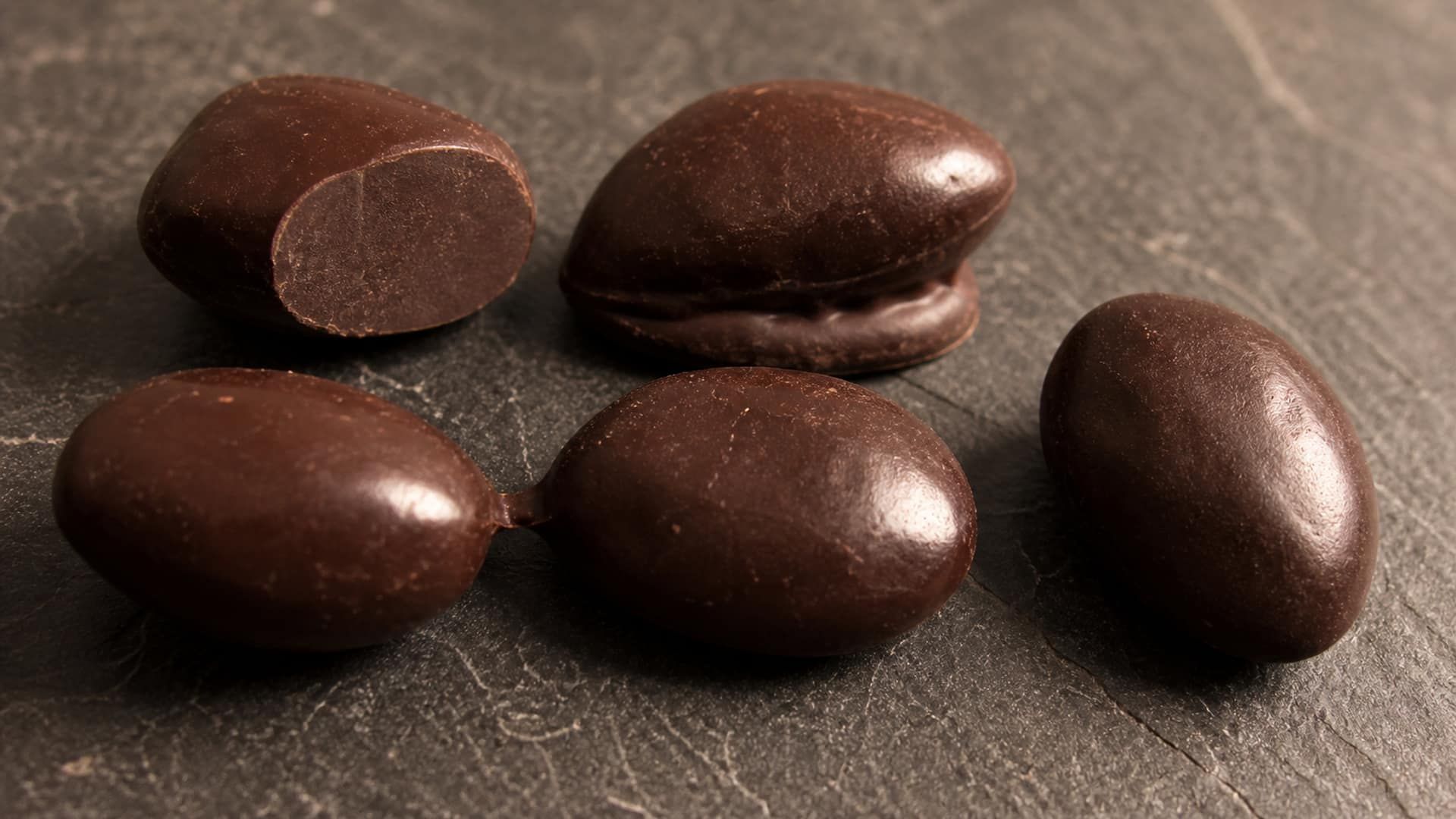
Dragée Coating Is Uneven: Diagnosing Coverage Problems
Flat spots, doubles, rough shells or colour streaks in dragée panning? Diagnose each defect by root cause (charge size, pan speed, core shape, temperature and drying) and fix it.
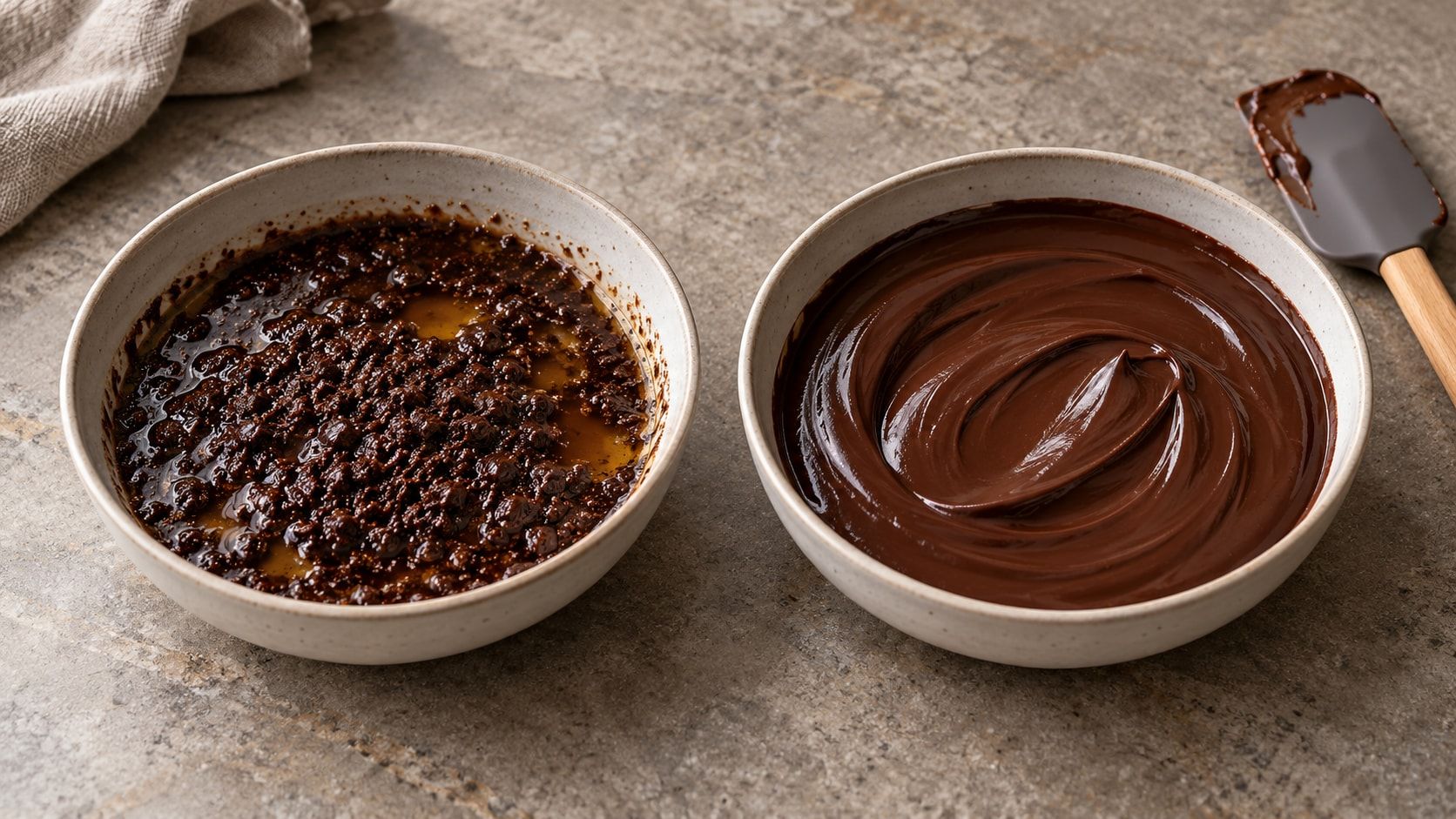
How to Fix Split Ganache (Broken, Oily or Grainy)
Oily, grainy or seized ganache can almost always be saved. Read the symptom, bring the batch to 32–34°C, blend, and add liquid only if the split comes from too much fat or the ganache has seized.
Technical Recipes
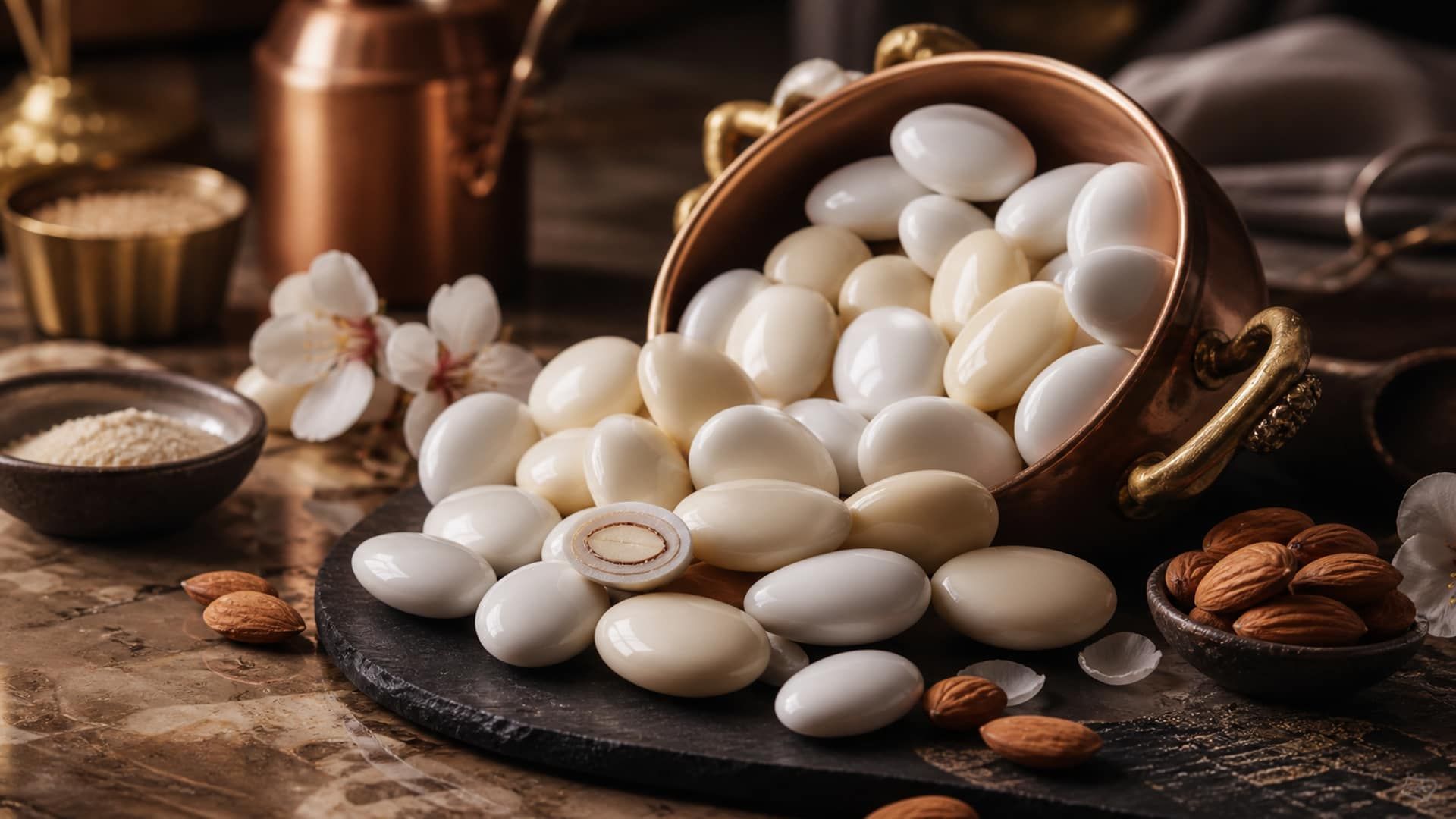
Almond Dragée: Building a Multi-Layer Coating from Core to Finish
A complete production guide to multi-layer sugar panning for almond dragée: gum arabic sealing, 20–30 engrossing layers, smoothing, coloring, and final polish — with calculator walkthrough.
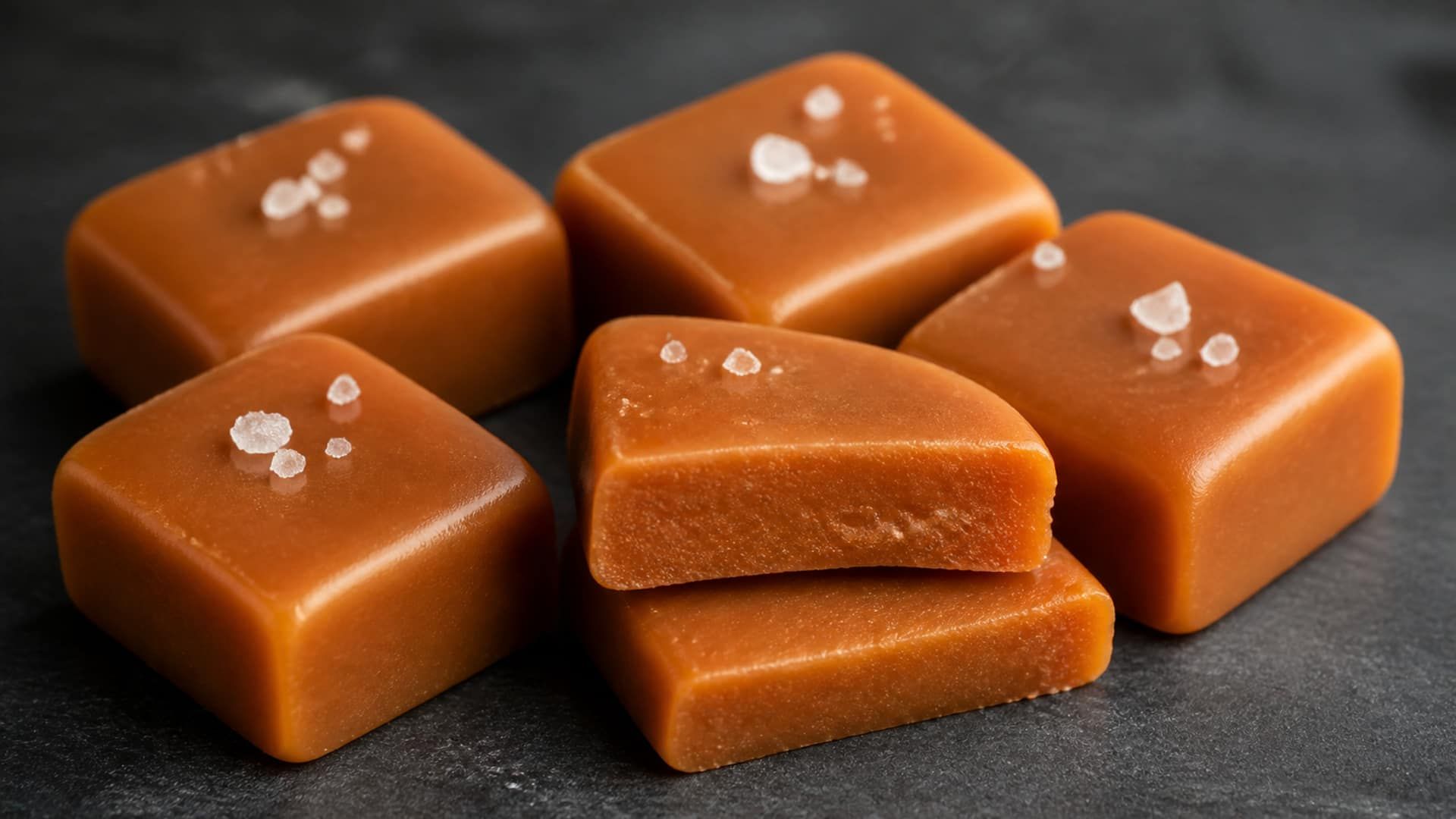
Chewy Salted Caramel Recipe: 119°C, Brix and Aw
A 663 g chewy salted caramel cooked to 119°C, with the Brix, water and water-activity targets that define the chew, butter and salt timing, and what each degree of the cook does to the texture.
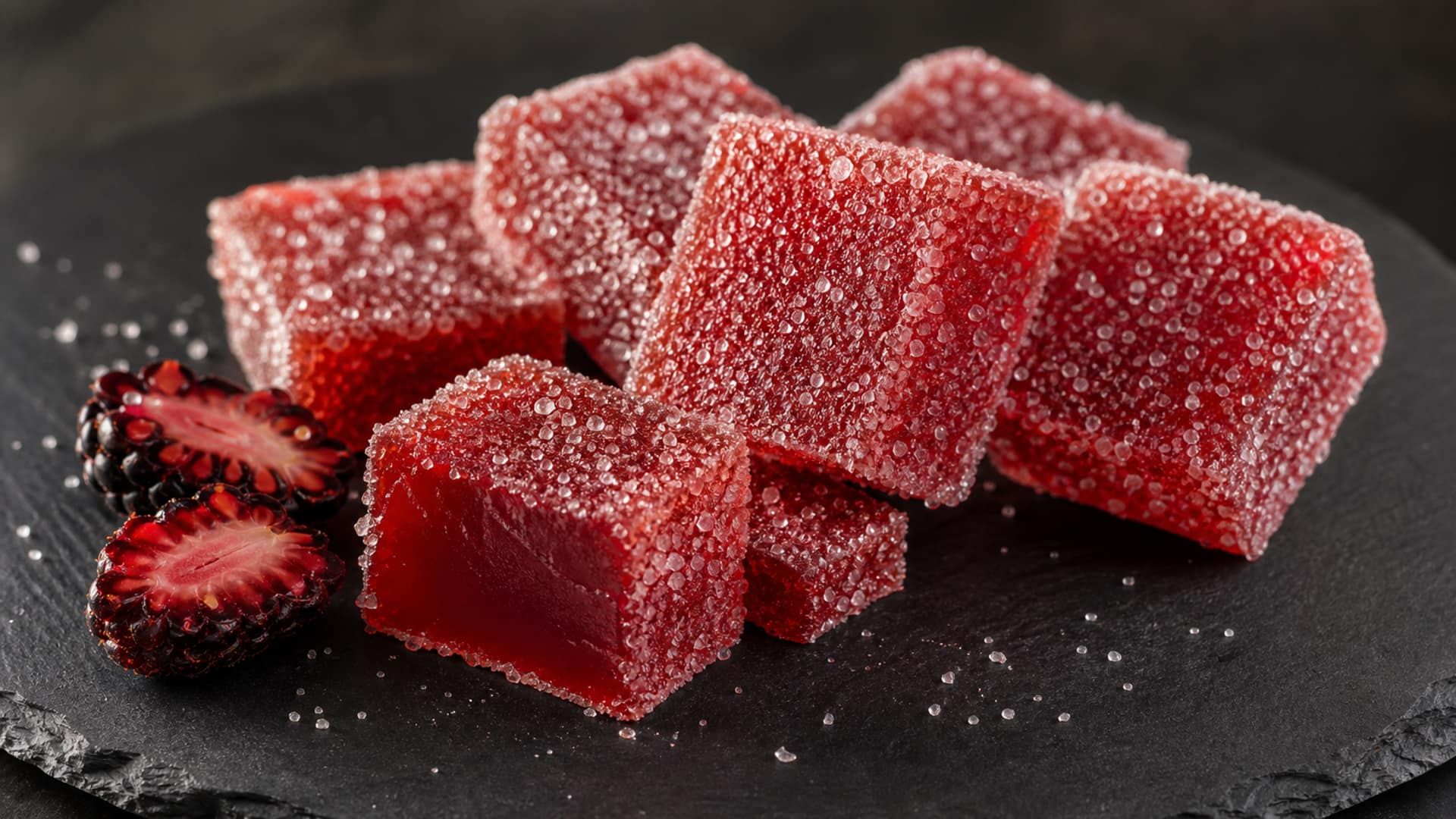
Fruit Jelly Recipe Formulation: Brix, Acid Balance, and Yield
How to formulate any fruit jelly from first principles — choosing the right Brix target, balancing acid for pectin gelation, controlling sugar ratios, and predicting yield before you cook.
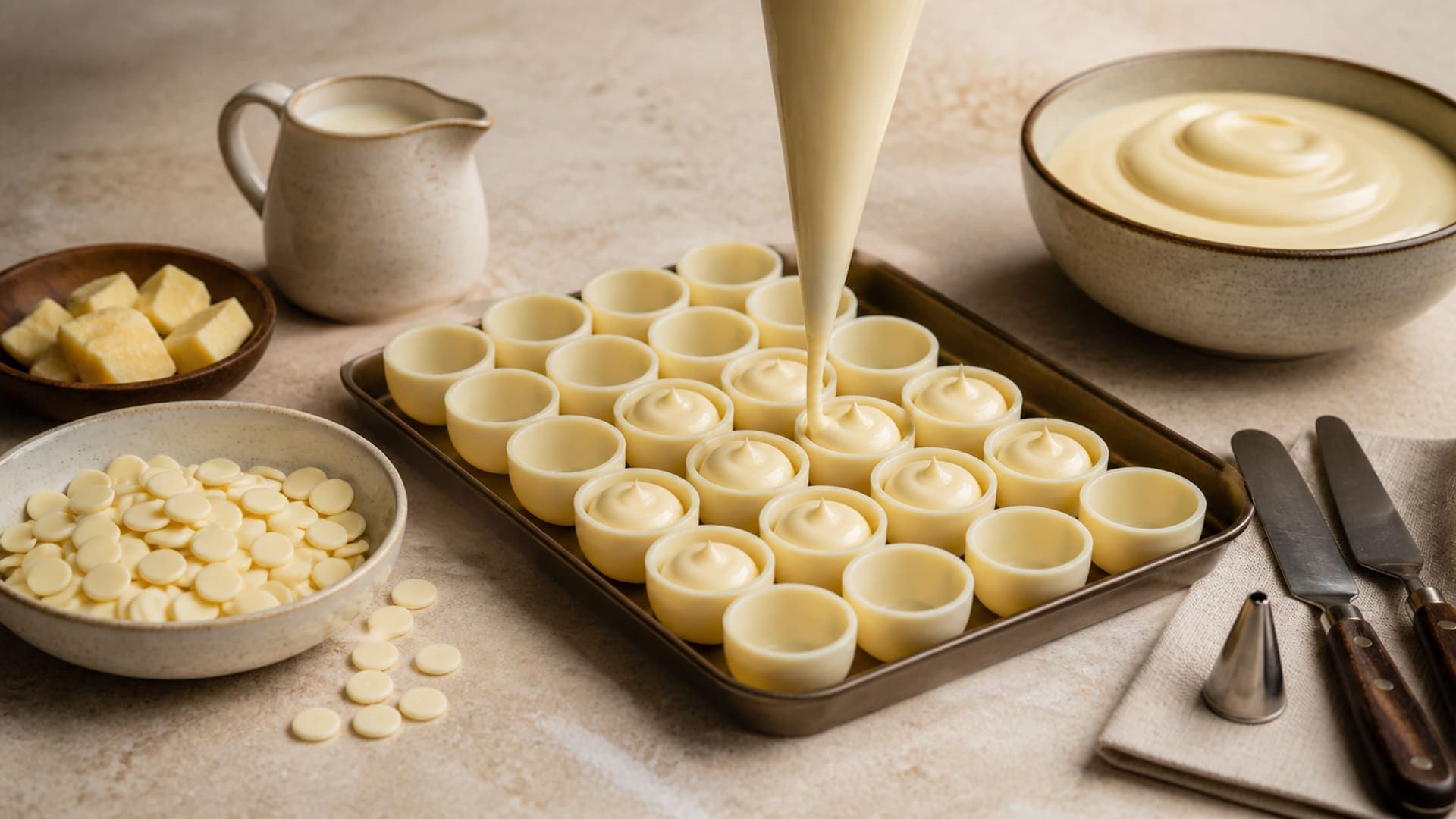
White Chocolate Bonbon Ganache: A 1 kg Trial Formula
A 1 kg white chocolate bonbon filling engineered for low predicted aw, a plastic set, and controlled piping—ready for measurement and shelf-life validation.
Reference Guides
Fruit Sorbet Sugar Ratio: How Much Sugar for a Scoopable Sorbet
The fruit already brings sugar, so the sugar you add has to be chosen per fruit. Count the fruit's own sugar, aim for the sorbet solids and PAC window, split sucrose with dextrose, and check the mix before you churn.
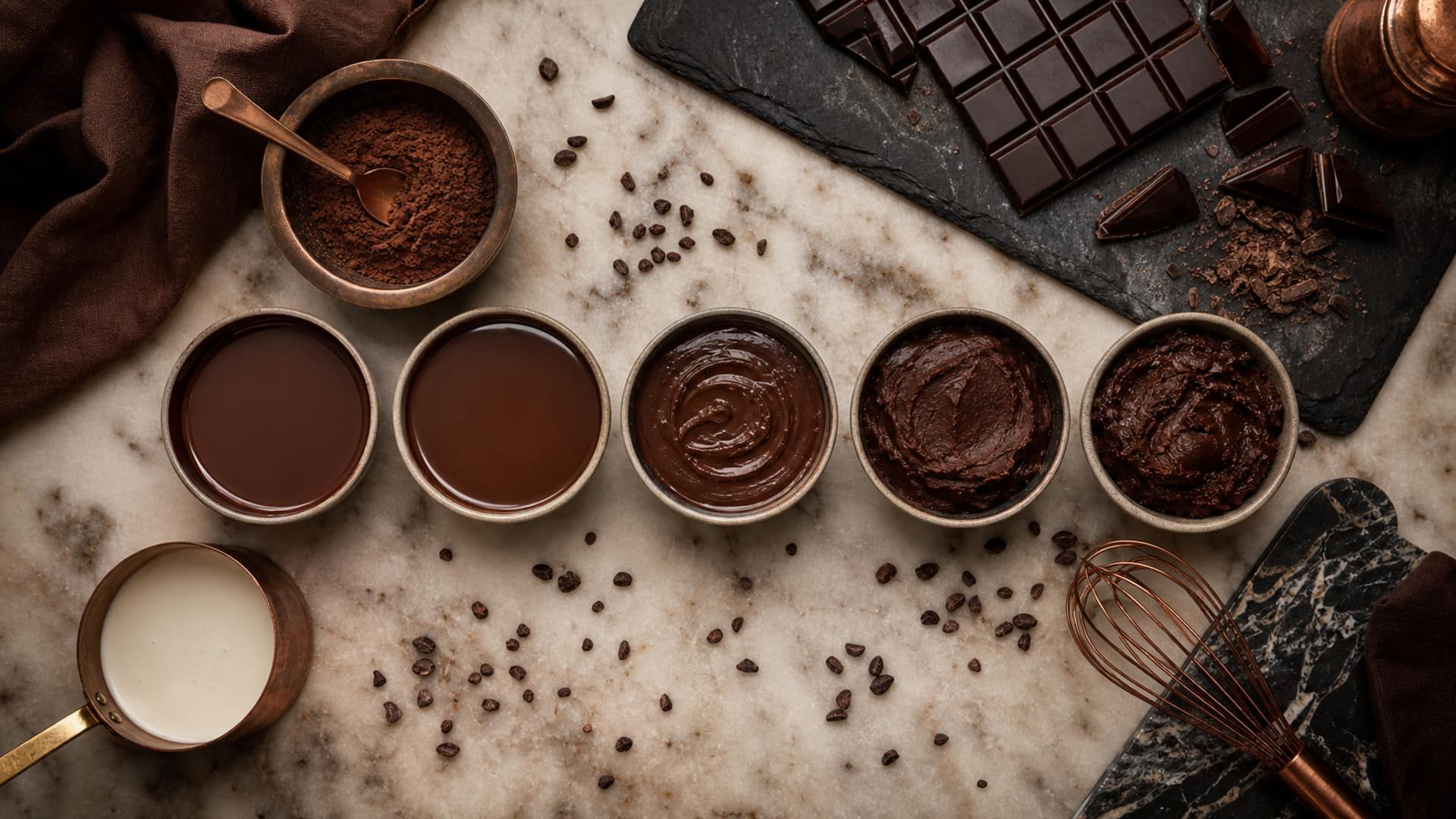
Ganache Ratio Guide: Matching Chocolate-to-Cream Ratios to Every Use Case
The chocolate-to-cream ratio determines everything: texture, setting time, shelf stability, and workability. This guide maps each ratio to its application — from pourable glazes to firm praline centres.
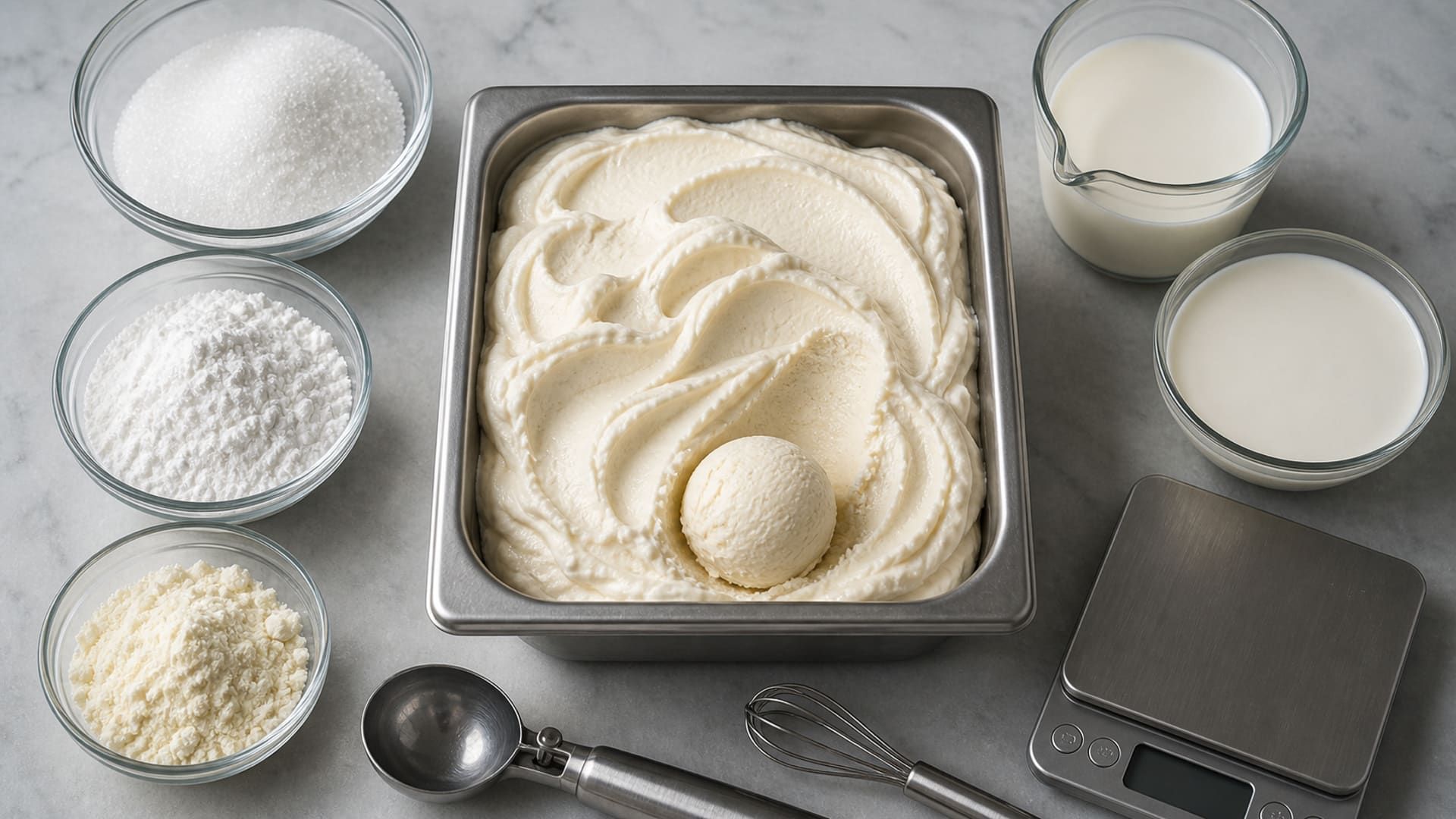
Fior di Latte Gelato: 1 kg PAC Sugar-Balancing Example
Work through a 1 kg fior di latte base to balance PAC, sweetness, solids, serving temperature, and production validation.
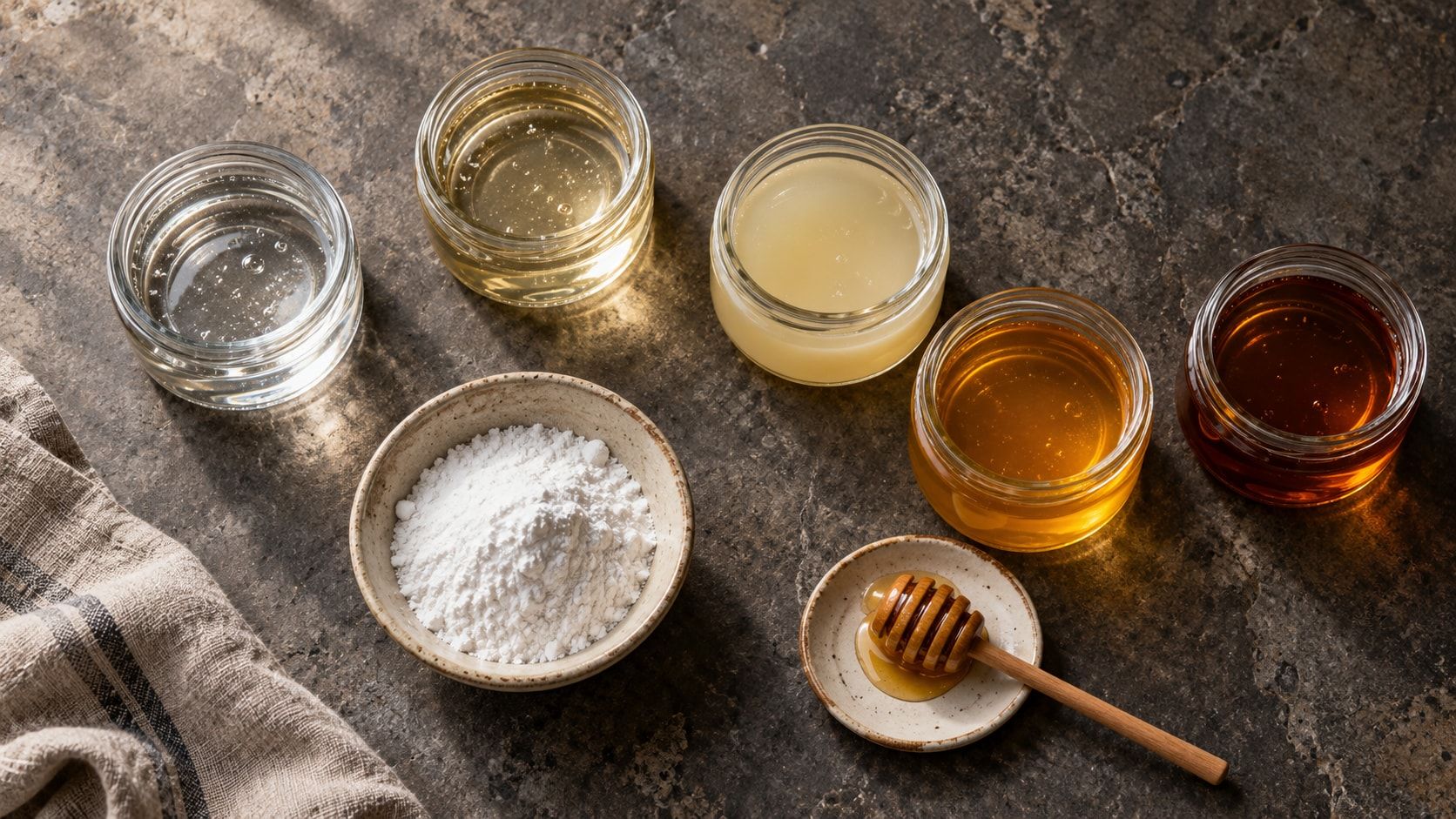
Glucose Syrup Substitutes: What to Use Instead and What Changes
Corn syrup is a drop-in. Invert sugar, honey, golden syrup, glucose powder, dextrose and trehalose can each stand in for glucose syrup, but each changes sweetness, softness or colour. Here is what to use, how much, and when nothing works.
Scientific Parameters
POD and PAC Values for Ice Cream Sugars, with Calculator
POD and PAC values for sucrose, dextrose, fructose, invert sugar, lactose, glucose syrup and polyols, a free sugar-balance calculator, and how to read the totals.
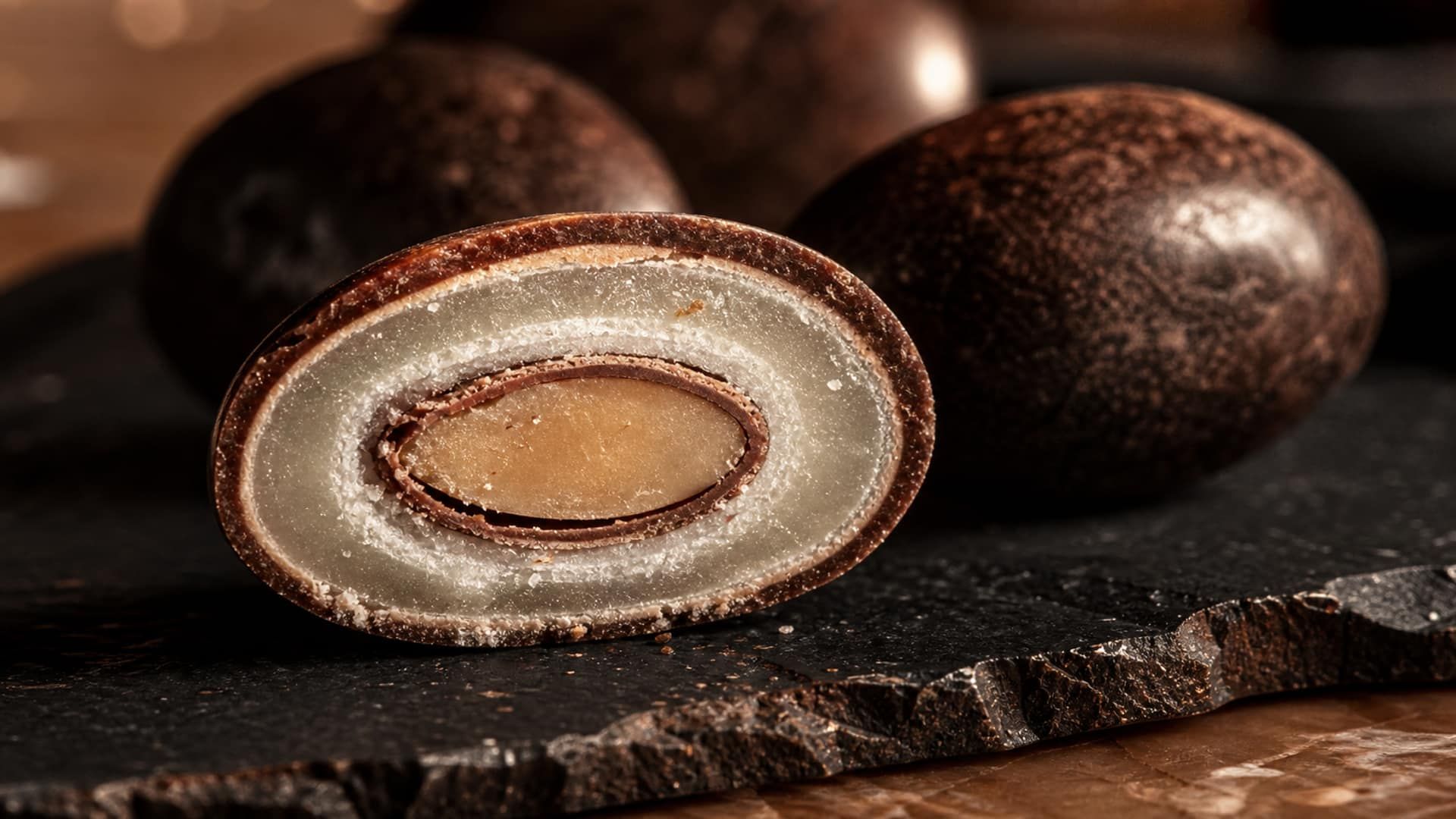
Dragée Coating Weight: How Much Coating Each Layer Needs
A coating layer weighs its shell volume times its density, and shell volume grows with the cube of the radius. How to calculate layer and batch coating weight for a dragée, with a worked sphere example.
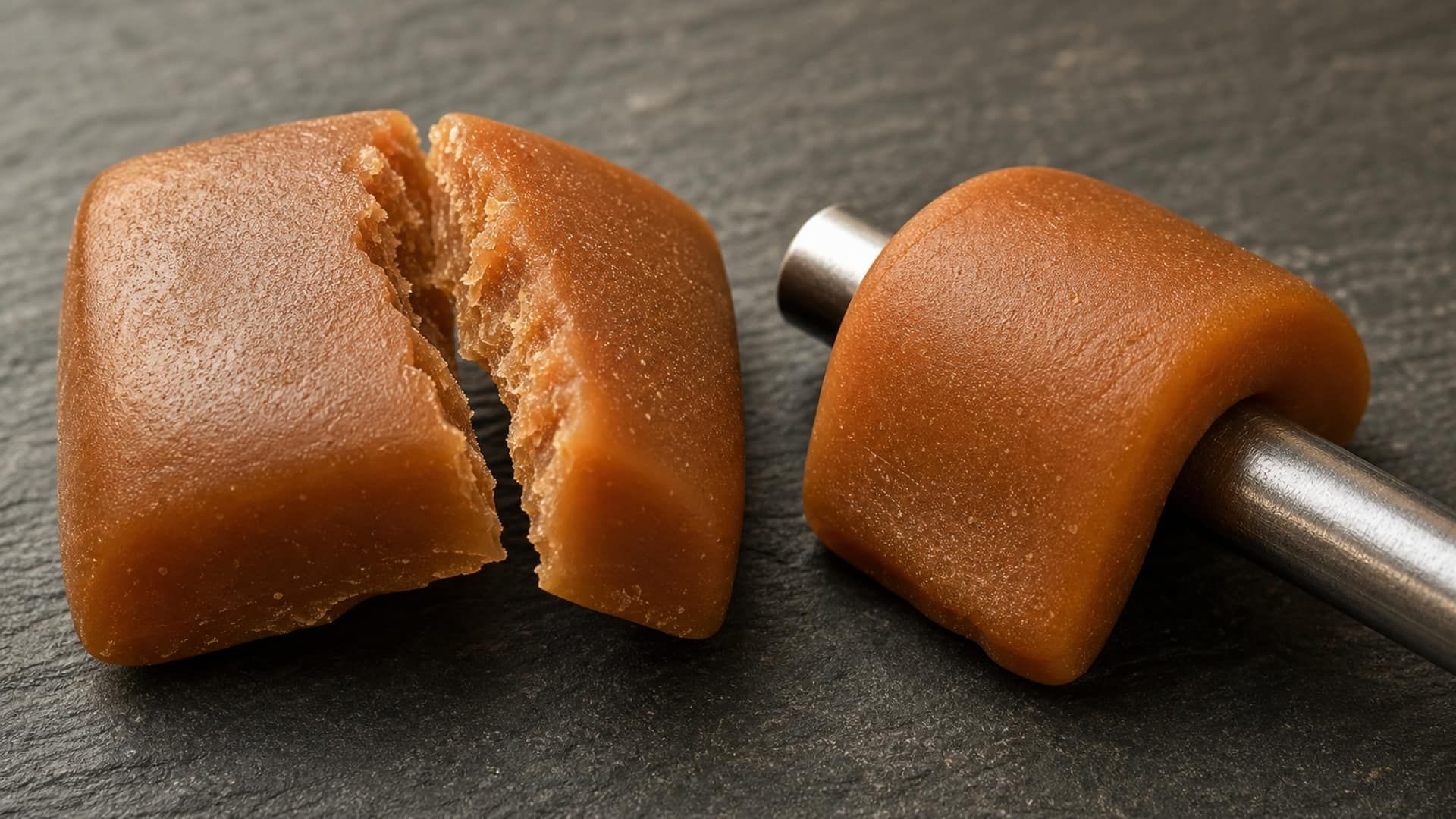
Caramel Glass Transition: How Moisture Sets Texture
Why a few points of water move a caramel from hard crack to chewy: the glass transition, a Gordon–Taylor table you can recompute, and the water left at each cooking stage.
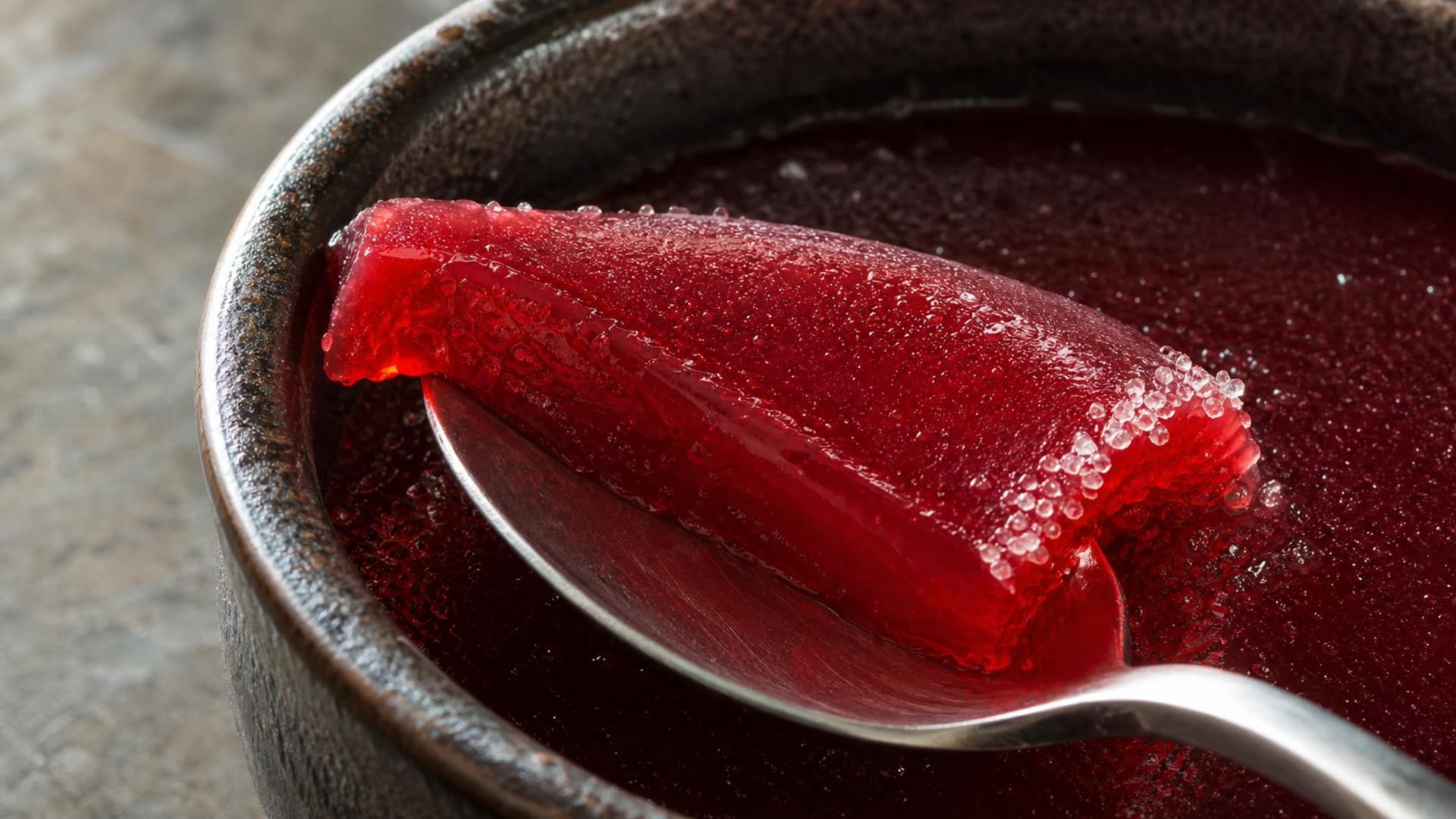
Pectin Gelation: pH, Brix and Dose for a Firm Set
Why an HM pectin gel sets, sets weak or fails: the pH and soluble-solids window, the dose, rapid vs slow set, and how to fix a weak or weeping pâte de fruit.