Ganache Not Setting: How to Fix a Filling That Stays Too Soft
A smooth ganache can still be too soft for its job. Separate temperature and crystallization problems from a formula that needs changing before you add more chocolate.
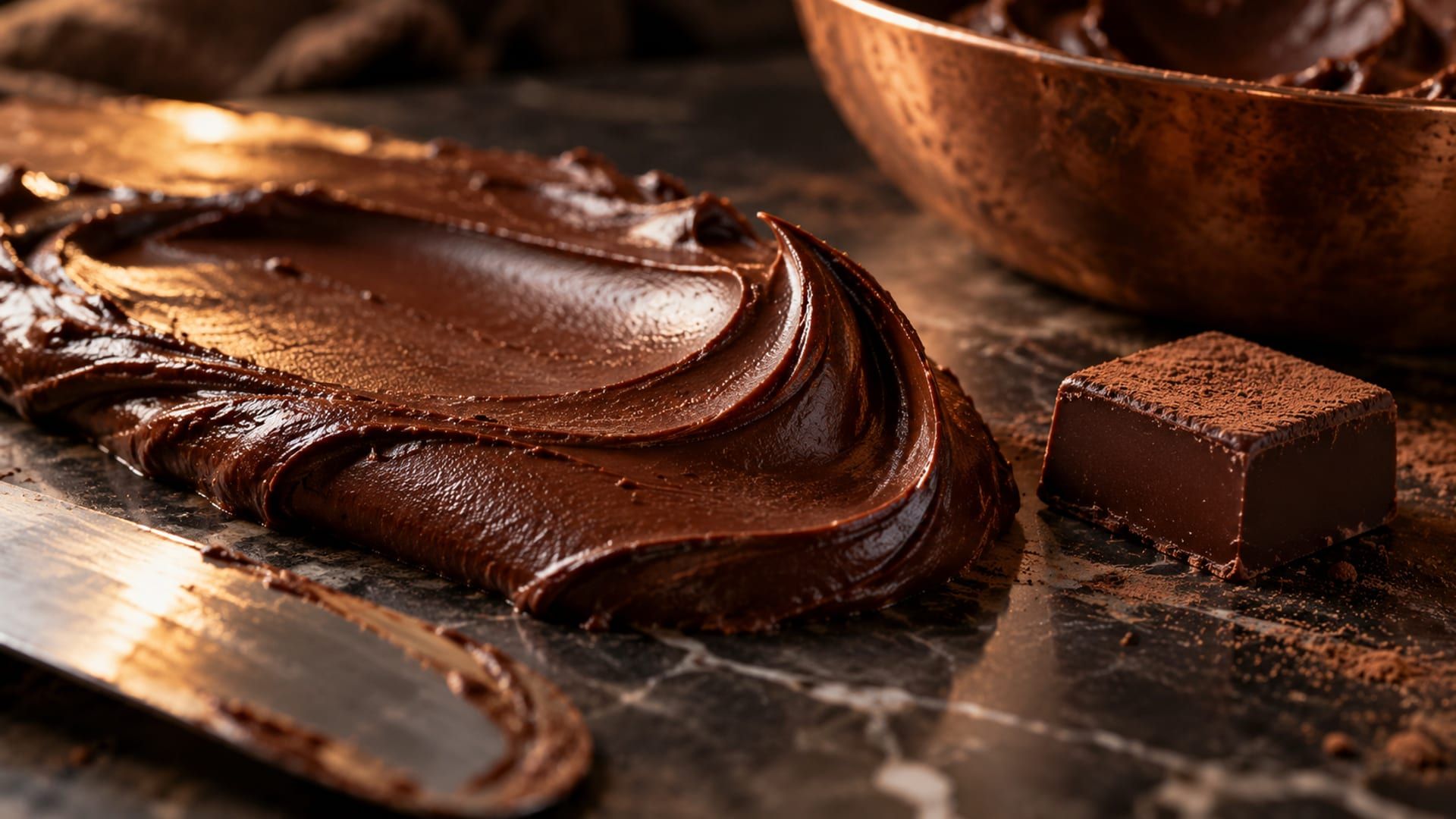
You pipe a smooth ganache, leave it to set, and return to a filling that still flows. Before adding chocolate, decide what the finished ganache must do: spread across a cake, stay inside a shell, hold a truffle shape, or cut cleanly in a frame.
Those are different targets. A good shell filling can be too soft to roll; changing that recipe until it cuts firmly may spoil the texture you originally wanted.
Check the ganache at its working temperature
Compare the batch with a successful reference at the same temperature and the same point in its setting process. A sample straight from the fridge cannot tell you whether a filling will hold at the temperature where it will be served or cut.
Record the chocolate used, ingredient weights, mixing and depositing temperatures, cooling conditions, and elapsed time. If you have no reference, define a simple handling test: a piped mound that keeps its shape, a cut edge that remains upright, or a filling that can be capped without moving.
| What you see | What to check first | Next action |
|---|---|---|
| Smooth and fluid while still warm | Whether the intended setting process has finished | Compare after the recipe's prescribed cooling and maturation |
| Firm when refrigerated, soft during service | The actual service temperature and required use | Test the formula at that temperature before changing it |
| Smooth but soft after the normal setting process | Chocolate specification, weighing and added liquids | Make a small formulation correction trial |
| Oil droplets, a greasy surface or a grainy mass | Whether the emulsion has broken | Diagnose the emulsion before judging firmness |
Setting is more than the bowl losing heat: fat crystallization contributes to the developing structure. Cooling briefly can make a sample seem ready without reproducing its texture after maturation and return to working temperature.
Use the process specified for your recipe. Professional bonbon fillings and fresh cream-based cake fillings do not share one universal room-temperature holding schedule; do not extend holding simply because the centre is still soft.
Firmness does not establish shelf life
A firm ganache is not automatically suitable for ambient storage. Keep the batch within its established hygiene and storage conditions while you investigate; changing the formula also means reassessing its storage performance.
Find what changed in the formula
Start with the last successful batch. Check the weighed quantities against the recipe, including small additions such as an infusion, fruit purée, alcohol, butter or nut paste; an ingredient added for flavour still changes the composition.
A chocolate’s cocoa percentage does not tell you its cocoa-butter content on its own. Two chocolates with the same headline percentage can supply different proportions of cocoa butter and non-fat cocoa solids, so they need not produce the same texture at equal weight.
Check the actual product specification rather than replacing the ingredient with a generic entry called “dark chocolate.” Milk and white chocolate introduce further differences in sugar, milk solids and fats; copying the dark-chocolate ratio is only a starting hypothesis, not a correction rule.
Count more than cream
Fruit purée and infusions add water; butter adds both fat and some water; a nut paste adds nut solids and oil. More total fat does not necessarily mean a firmer set, because different fats behave differently at the working temperature.
Look for a change in the process as well as the ingredients. A larger batch, a deeper container, or a different depositing temperature can make the comparison unfair even if every gram is correct.
Write a short explanation you can test: “The new couverture changed the set,” or “The extra purée diluted the original filling.” “The ganache needs something” is too vague to guide the next trial.
If the surface is oily or the mass is gritty, use the split ganache guide first. A broken emulsion and a homogeneous but soft filling require different diagnoses, even when both look disappointing on the bench.
Correct a small sample before the whole batch
For a homogeneous ganache that is genuinely too soft for its intended use, additional chocolate can be a useful correction. It also changes sweetness, flavour, yield and cost, so test the smallest adjustment you can weigh and reproduce.
Keep a control with the original composition
Take two weighed portions from the same homogeneous batch. Label one as the control; its composition stays unchanged. Both portions must receive the same reheating and mixing treatment before comparing their set.
Make both portions workable
Bring both portions gently to the same workable temperature and use matching mixing times. Prepare the added chocolate according to its product instructions; avoid unmelted pieces or repeated heating of the whole batch.
Add a recorded amount of chocolate
Incorporate a small weighed addition into the test portion and restore a smooth emulsion. Record the chocolate product and the amount added per starting mass of ganache.
Repeat the original setting process
Give the control and test portion matching geometry, cooling and maturation. Compare at the intended working temperature, using the handling test you chose at the start.
Scale only an acceptable correction
If the test has the right firmness and flavour, apply the same addition relative to the mass of the remaining original ganache. Record the new yield and retain a sample of the corrected batch.
Do not judge only the warm mixture: chocolate thickens as it cools, and an apparently modest adjustment can become excessive after setting. If the trial turns too firm, compare a smaller addition in another portion rather than repeatedly adding cream and chocolate to the production batch.
Avoid treating cocoa powder, starch or gelatin as interchangeable emergency thickeners. Each changes a different part of the product, and none is a direct replacement for the chocolate balance and process that your ganache requires.
If the necessary correction makes the filling too sweet or overwhelms the intended flavour, develop a new formula. Do not force a cake-style ganache into a cuttable confection simply because you already have a batch of it.
Prevent the same failure in the next batch
Keep the successful formula together with the chocolate product code and process notes. A useful record includes the intended application, sample thickness, maturation conditions, and temperature at which the texture was accepted.
In Formul.io, use the actual ingredients in the ganache calculator to compare composition when changing chocolate or flavour additions. Use the calculation to organize the adjustment, then confirm the finished texture with the same physical test; a calculated result does not replace that check.
Will putting soft ganache in the freezer fix it?
Can I add more butter to make ganache set?
Why did the recipe change when I switched chocolate brands?
Should I whip a ganache that stays too soft?
Related Topics
Related Articles
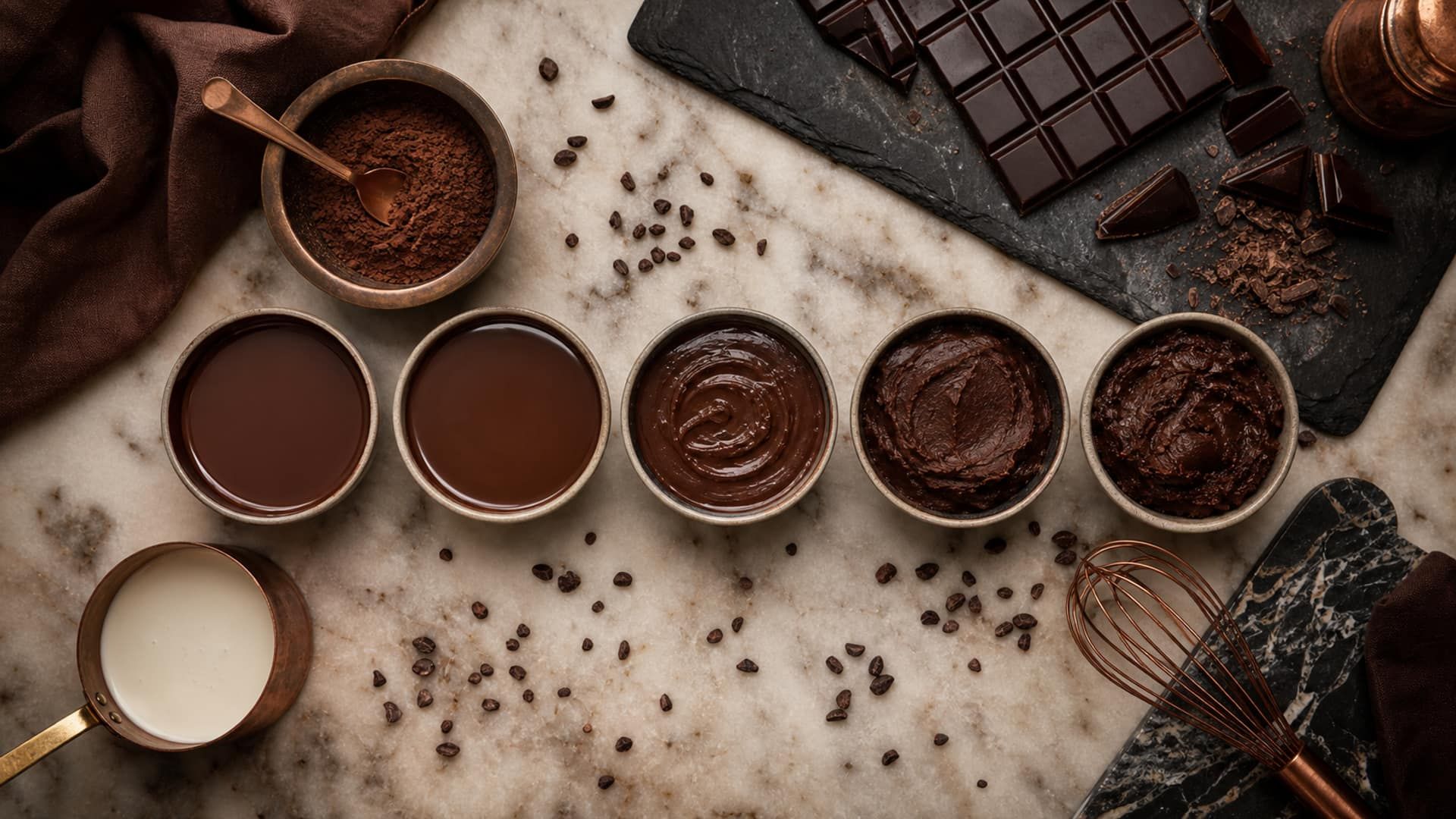
Ganache Ratio Guide: Matching Chocolate-to-Cream Ratios to Every Use Case
The chocolate-to-cream ratio determines everything: texture, setting time, shelf stability, and workability. This guide maps each ratio to its application — from pourable glazes to firm praline centres.
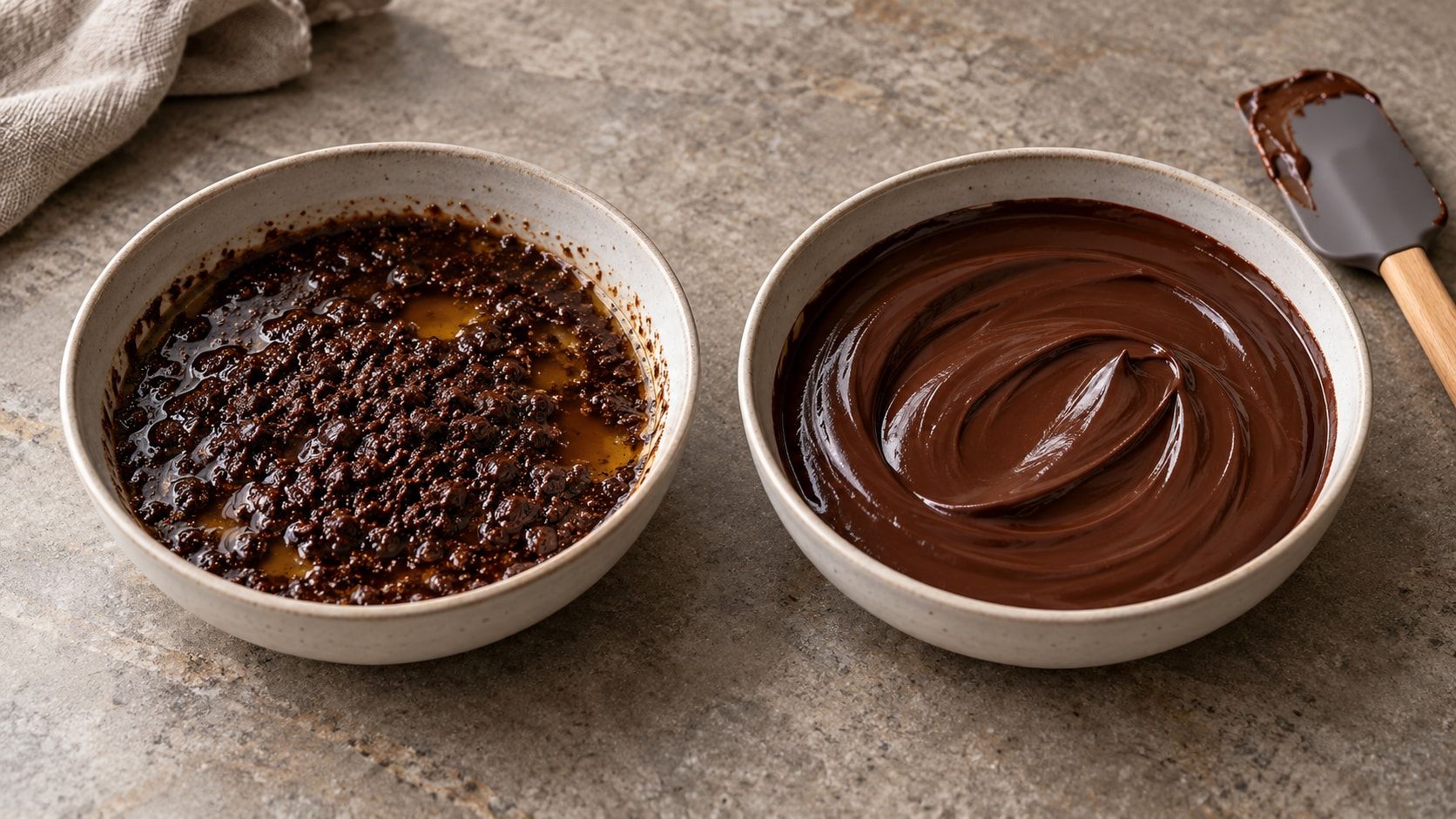
How to Fix Split Ganache (Broken, Oily or Grainy)
Oily, grainy or seized ganache can almost always be saved. Read the symptom, bring the batch to 32–34°C, blend, and add liquid only if the split comes from too much fat or the ganache has seized.
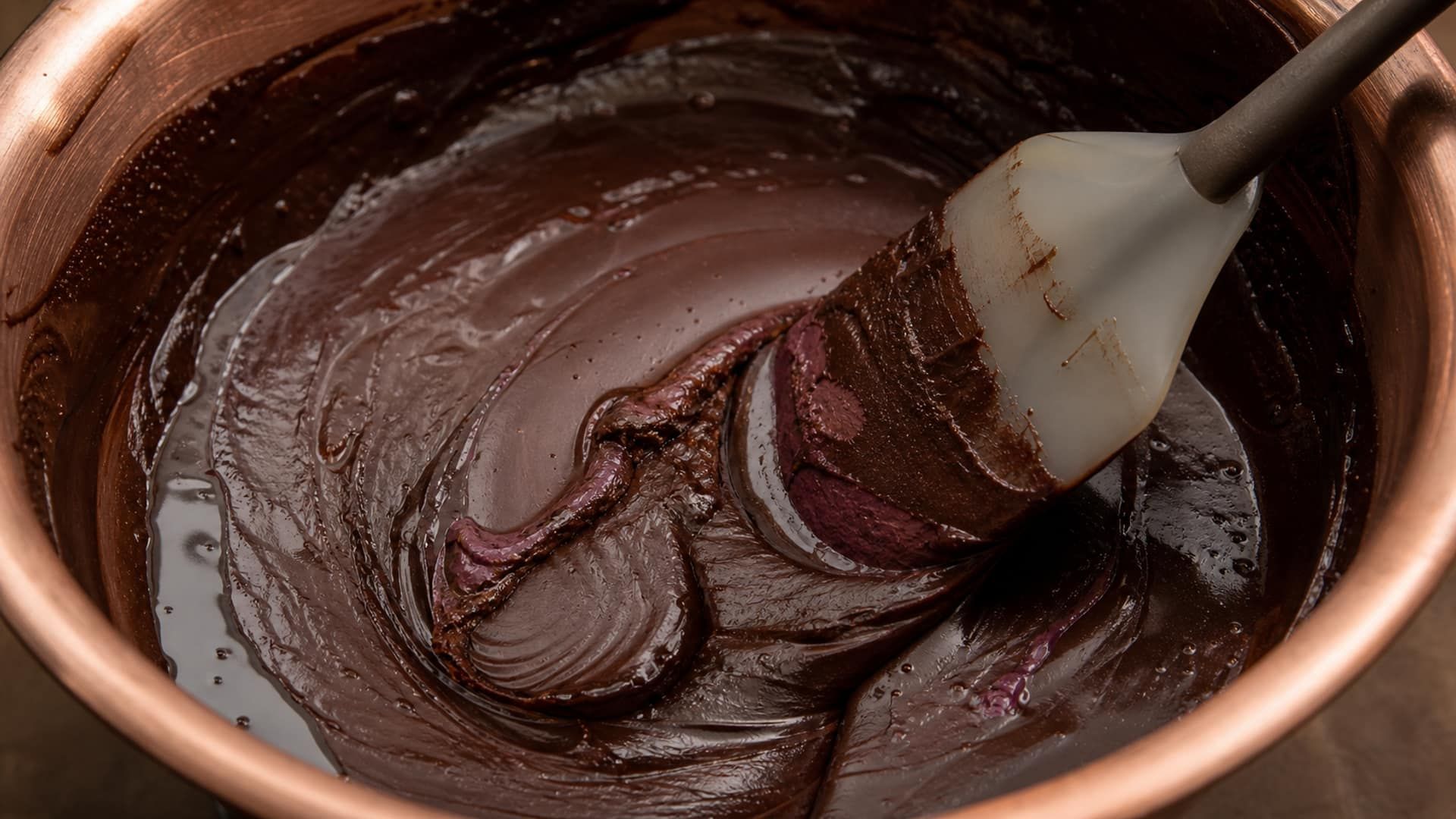
Fruit Purée in Ganache: Substitution, Not Addition
Adding fruit purée to ganache without reformulating around it splits the emulsion and cuts shelf life. Here's the science and the fix.