Maximizing Confectionery Shelf Life: A Complete Guide
Practical strategies for extending shelf life through formulation, storage, and packaging optimization. From water activity management to packaging selection, this guide covers everything professionals need to know.
Why Shelf Life Matters
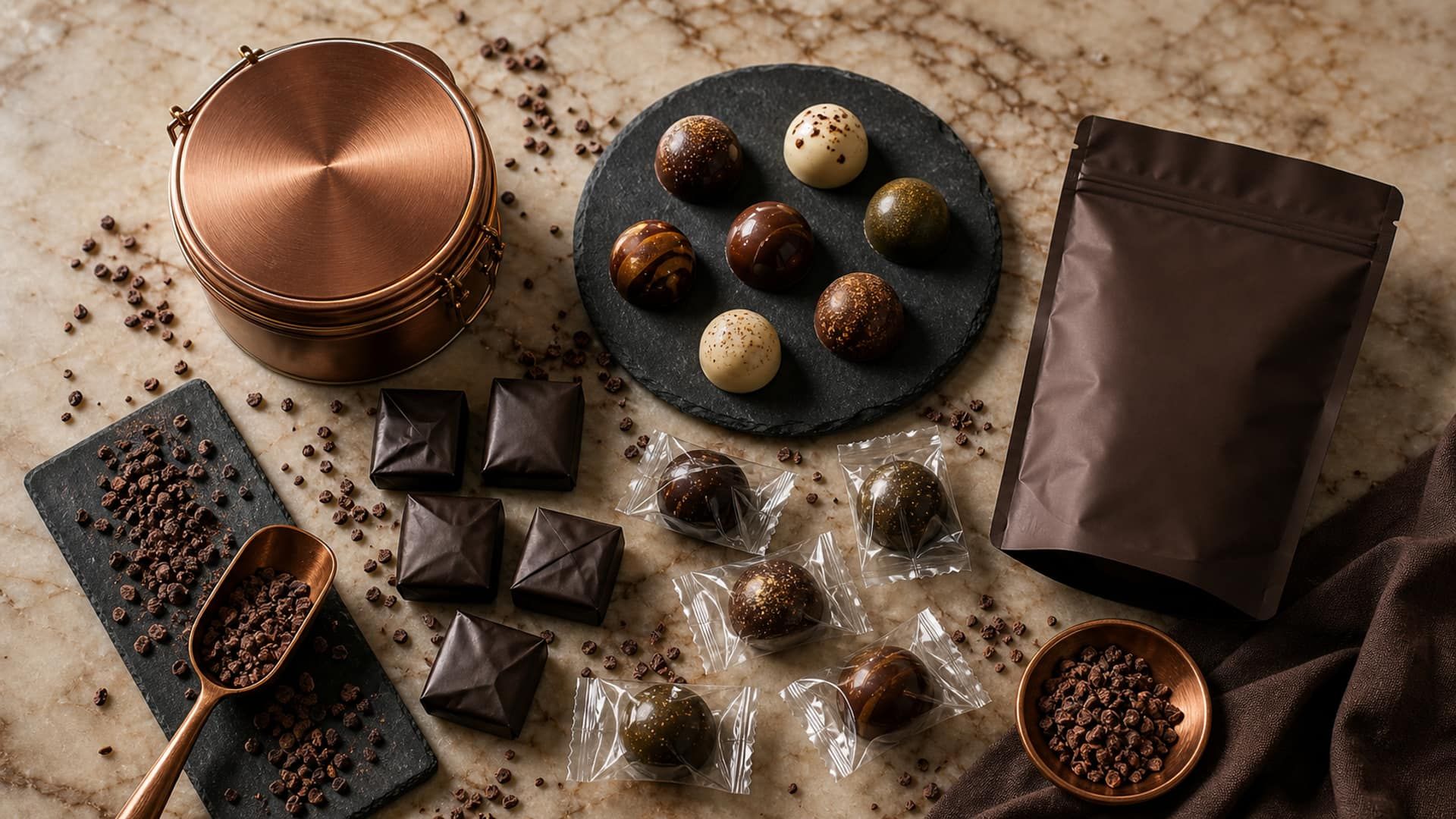
Shelf life determines how far your products can travel, how long retailers can stock them, and how much flexibility consumers have in enjoying them. For commercial confectioners, extending shelf life from 14 to 45 days can mean the difference between local-only sales and national distribution. This guide provides actionable strategies to maximize your products’ lifespan without sacrificing quality.
The Three Pillars of Shelf Life: (1) Formulation—designing products with inherent stability, (2) Storage—maintaining optimal conditions, (3) Packaging—controlling the product’s environment. Excellence in all three multiplies your results.
Formulation Strategies
1. Manage Water Activity
Water activity (aw) is the single most controllable factor affecting shelf life. Every 0.05 reduction in aw roughly doubles shelf life by slowing microbial growth and chemical reactions. Target these ranges:
| Product Type | Target aw | Expected Room-Temp Shelf Life |
|---|---|---|
| Fresh ganache (short shelf life OK) | 0.85-0.92 | 7-14 days |
| Standard ganache (retail) | 0.78-0.84 | 21-35 days |
| Extended shelf life ganache | 0.72-0.78 | 45-90 days |
| Caramels | 0.55-0.65 | 60-180 days |
| Pâte de fruit | 0.65-0.75 | 60-120 days |
Target Water Activity Ranges
To lower water activity: increase sugar-to-water ratio, add polyols (sorbitol, glycerol), incorporate alcohol, or reduce cream and increase chocolate in ganache formulas. The Formul.io calculators show predicted aw for any formulation, letting you optimize before production.
2. Prevent Sugar Crystallization
Crystallization causes grittiness that ends shelf life even when products are microbiologically safe. Prevent it by:
- Include 15-25% glucose syrup (relative to total sugar) to disrupt crystal lattice formation
- Use invert sugar instead of pure sucrose for higher interfering sugar content
- Maintain high fat content (>30%) which physically obstructs crystal growth
- Avoid temperature cycling during storage—stable temperature prevents dissolution/recrystallization cycles
- Don’t over-concentrate during cooking—leave some free water to maintain saturation balance
3. Build Oxidation Resistance
Fat oxidation creates off-flavors (rancidity) in chocolate, nut, and cream products. Combat it through formulation:
- Prefer dark chocolate over milk/white—natural polyphenols act as antioxidants
- Use fresh ingredients - oxidation is cumulative; starting with partially oxidized cream or nuts shortens shelf life
- Minimize nut exposure - whole nuts oxidize slower than chopped; coat with chocolate to reduce oxygen contact
- Consider tocopherols - vitamin E (labeled as ‘mixed tocopherols’) is a natural antioxidant approved for confectionery
Storage Optimization
1. Control Temperature
Temperature affects every degradation pathway. For each 10°C reduction, shelf life extends 2-3×. Optimal storage temperatures:
Temperature stability matters as much as absolute temperature. Daily fluctuations of ±5°C cause more damage than consistent storage 5°C warmer. Invest in stable storage before investing in lower temperatures.
2. Manage Humidity
Environmental humidity determines the direction and rate of moisture migration. Store products at humidity levels that minimize change:
| Product | Optimal RH | Risk if Too High | Risk if Too Low |
|---|---|---|---|
| Chocolate | 50-60% | Sugar bloom, softening | Generally safe |
| Ganache | 55-65% | Mold growth | Drying, hardening |
| Caramels | 40-50% | Softening, stickiness | Surface drying |
| Pâte de fruit | 60-70% | Surface softening | Cracking, hardening |
Optimal Storage Humidity by Product
3. Protect from Light
Light accelerates oxidation 50-200% depending on intensity. For maximum shelf life: store in darkness or use opaque containers. If retail display requires visibility, use UV-filtering materials and minimize exposure time. Rotate stock so no product is under lights more than 1-2 weeks.
Packaging Selection
Packaging creates the microenvironment around your product. The right packaging can extend shelf life 3-5× compared to basic options.
Moisture Barrier Properties
Choose packaging based on WVTR (Water Vapor Transmission Rate). Lower WVTR—slower moisture exchange—more stable aw.
| Product Sensitivity | Recommended Packaging | WVTR Range |
|---|---|---|
| High (caramels, hard candy) | Metallized film, glass | < 2 g/m²/day |
| Moderate (ganache, pâte de fruit) | OPP laminate, sealed pouches | 2-5 g/m²/day |
| Low (dark chocolate bars) | Standard plastic, paperboard | 5-15 g/m²/day |
Packaging Options by Moisture Sensitivity
Oxygen Barrier Properties
For fat-rich products prone to oxidation, oxygen transmission rate (OTR) matters. Metallized films and EVOH laminates provide excellent oxygen barriers. For premium products, consider modified atmosphere packaging (MAP) with nitrogen flush to remove oxygen entirely.
Practical Tips for Commercial Production
Calculate before producing
Use the Formul.io calculators to verify water activity, predict shelf life, and identify potential issues before committing to production. Reformulating after production is expensive.
Document your baseline
For any new product, produce a test batch and measure actual aw, pH, and visual quality at day 1. Compare to calculator predictions. Store samples for periodic evaluation.
Test worst-case conditions
Store test samples at your maximum expected temperature and humidity. If shelf life under stress is acceptable, normal conditions will exceed it.
Build in safety margin
Set 'best by' dates at 70-80% of actual shelf life. This accounts for retail storage variation and gives consumers confidence in your products.
Monitor cold chain
For refrigerated products, use temperature loggers in shipments. One warm day can use half your shelf life budget.
Train your team
Everyone handling product should understand storage requirements. One pallet stored incorrectly can ruin hundreds of units.
Quick Reference: Shelf Life Extension Tactics
| Tactic | Typical Shelf Life Extension | Cost/Complexity |
|---|---|---|
| Lower water activity (reformulation) | 2-4× | Low |
| Refrigerated storage | 2-3× | Moderate |
| Upgrade to barrier packaging | 1.5-3× | Low-Moderate |
| Add crystallization inhibitors | 1.5-2× (quality life) | Low |
| Dark storage | 1.3-1.5× | Very Low |
| Stable temperature (reduce cycling) | 1.2-1.5× | Very Low |
| Modified atmosphere packaging | 1.5-2× | High |
Tactics Ranked by Impact
Start with the low-cost, high-impact tactics. Reformulating for lower aw costs only the time to test new ratios. Stable, cool, dark storage requires no special equipment—just discipline. These basics alone can double shelf life.
Related Topics
Related Articles
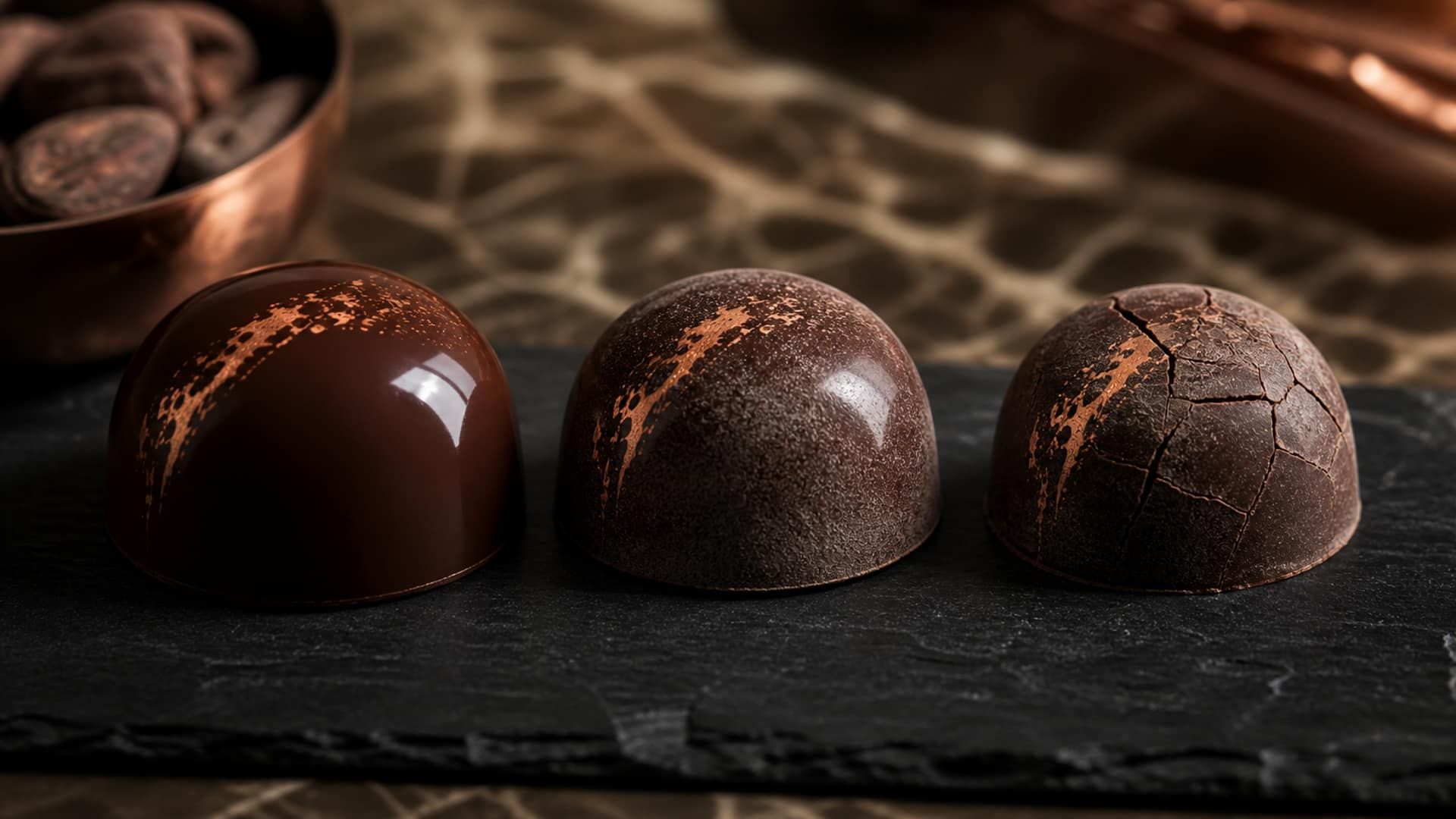
Why Confectionery Spoils: 4 Aging Mechanisms and How to Manage Them
Every confectionery product starts degrading the moment it's made. The four aging mechanisms behind shelf life, and which formulation levers actually control them.
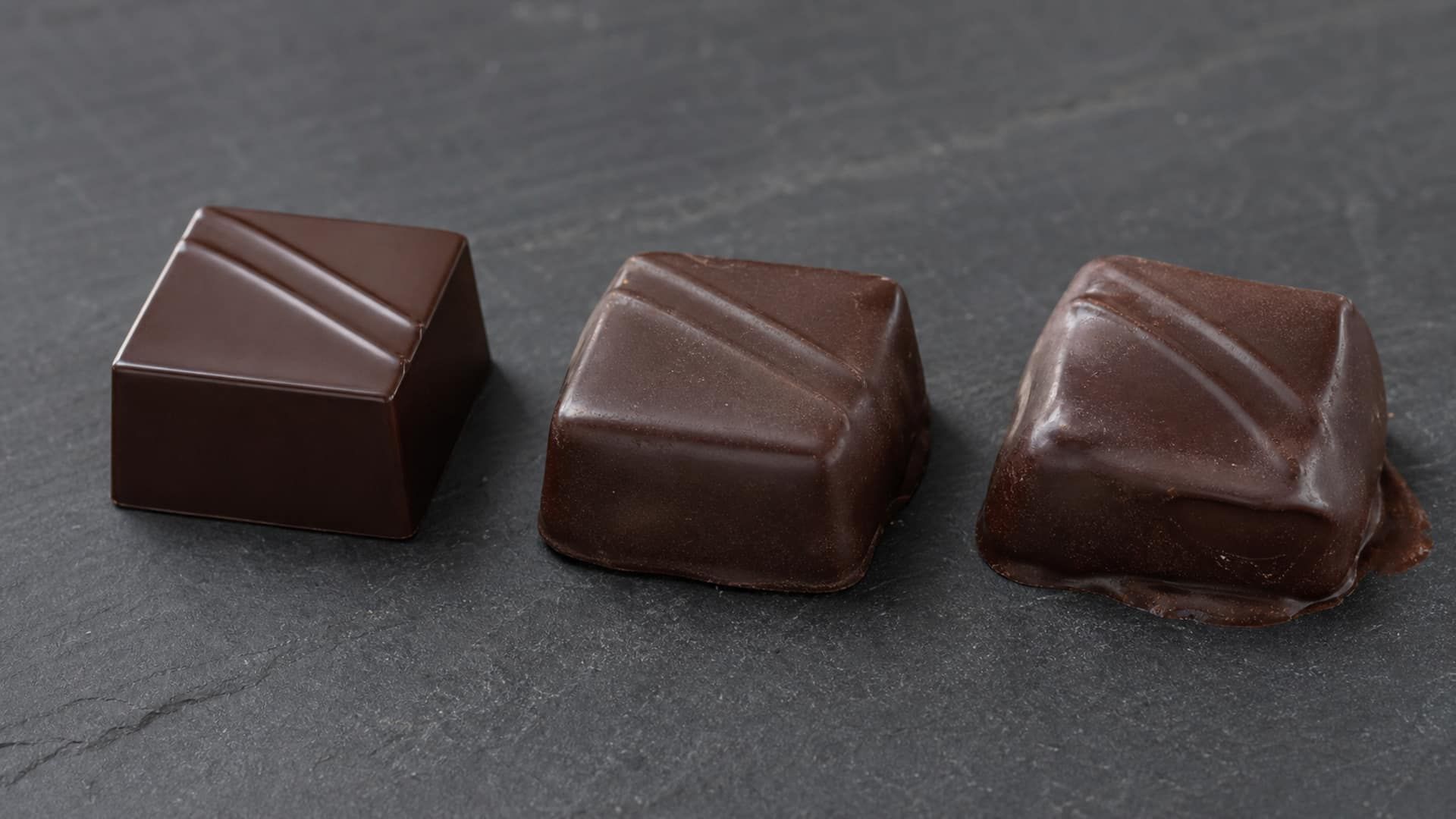
Q10 and Arrhenius: How Storage Temperature Shortens Shelf Life
Estimate how a change in storage temperature changes confectionery shelf life with the Q10 rule and the Arrhenius equation, work through an accelerated shelf-life test, and learn where both models stop being reliable.
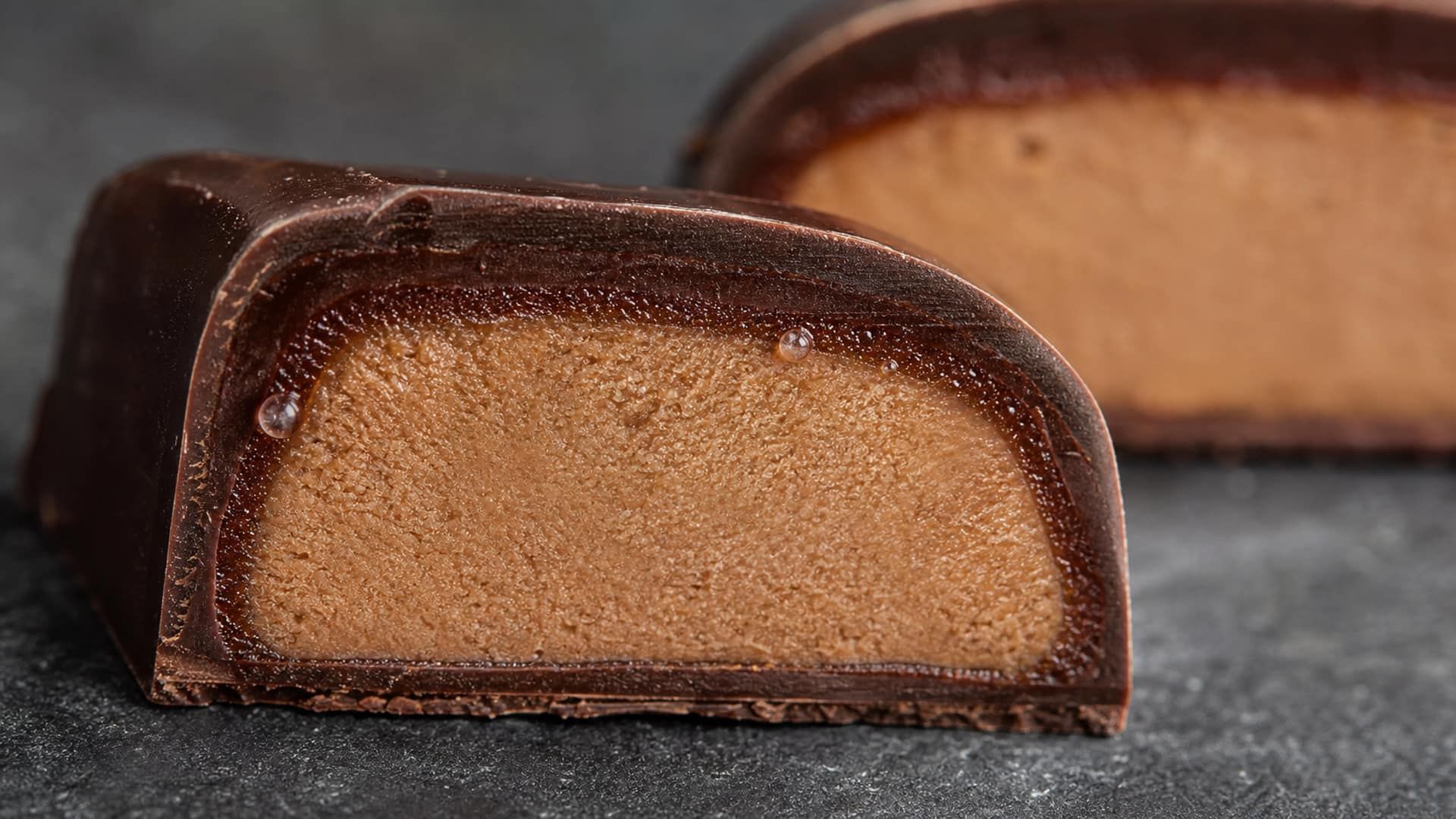
Moisture Migration: Water Activity, Fick's Law, and Packaging
Predict moisture movement by separating its water-activity driving force from diffusion rate, and compare packaging only with WVTR units and test conditions attached.