Why is my Pâte de Fruit Grainy?
A sandy or grainy texture in Pâte de Fruit is a common failure. Learn how to prevent sugar crystallization and ensure a smooth, melting texture.
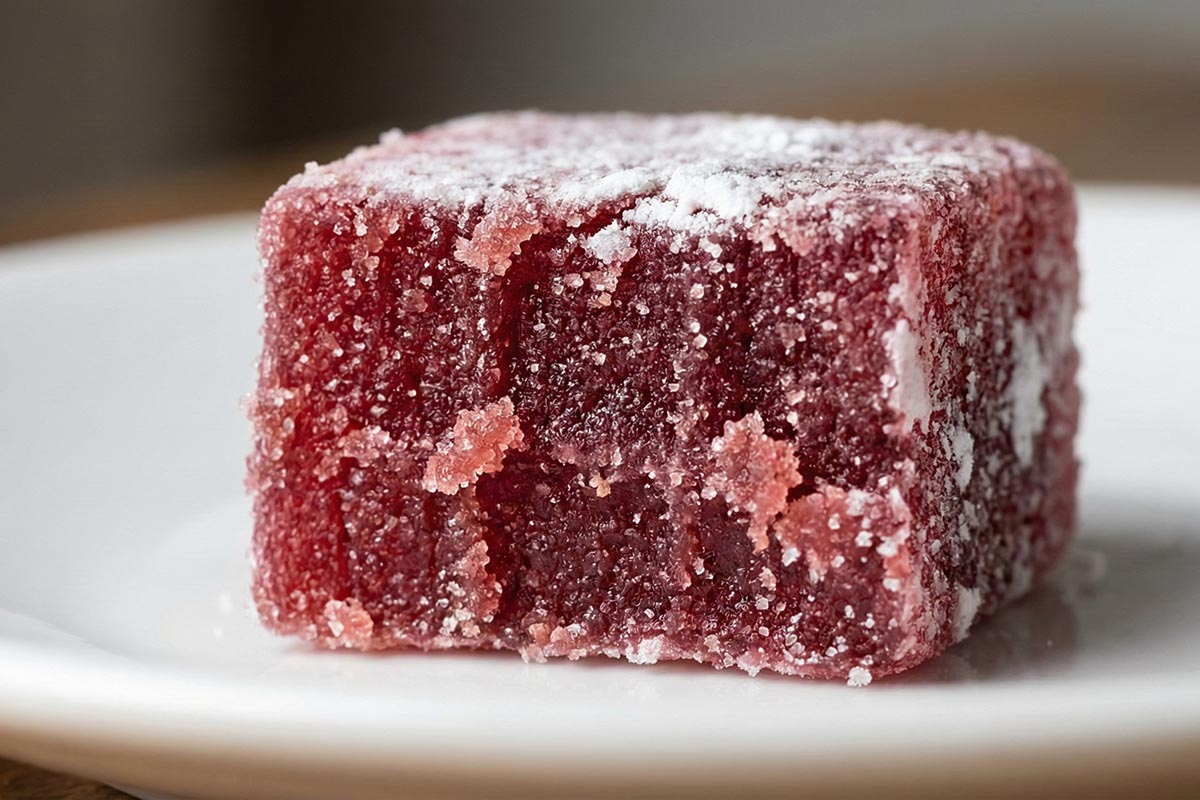
The Problem: Sandy Texture
A perfect Pâte de Fruit should be smooth, translucent, and tender. If your fruit jelly feels sandy, crunchy, or grainy on the tongue, it means sugar crystallization has occurred. Instead of remaining dissolved in a stable glass-like structure, the sucrose molecules have bonded together to form solid crystals.
Common Causes
- Insufficient Doctoring Agents: Not enough glucose or invert sugar to interfere with sucrose crystallization.
- Incomplete Dissolution: Sugar granules were not fully dissolved before the mixture reached boiling point.
- Agitation after Cooking: Stirring the mixture too vigorously as it cools can trigger crystallization.
- Seeding: A single undissolved sugar crystal on the side of the pot can trigger a chain reaction.
The Solution: Glucose Balance
Sucrose (table sugar) wants to crystallize. To prevent this, we use doctoring agents like Glucose Syrup or Invert Sugar. These ingredients coat the sucrose molecules and physically prevent them from joining together.
Golden Ratio
For Pâte de Fruit, aim for a total sugar composition of: - Sucrose: 80-85% - Glucose Syrup (DE 40): 15-20% If you use too much glucose (>25%), the jelly may become sticky (hygroscopic). If you use too little (<10%), it risks crystallization.
The Acid Factor
Acid is necessary to set the pectin, but it also causes sugar inversion (breaking sucrose into glucose and fructose). While some inversion is good, adding acid too early can cause pre-gelling, which results in a lumpy, fractured texture that can be mistaken for graininess.
How to Fix It (Next Batch)
Mix Pectin Correctly
Always mix pectin with 5x its weight in sugar before adding to the fruit puree to prevent lumps.
Dissolve Sugar Fully
Add the remaining sugar in stages. Ensure it is completely dissolved before the mixture boils.
Add Glucose at the Boil
Add your glucose syrup once the mixture is boiling. This ensures it distributes evenly.
Wash the Pot Sides
Use a wet brush to wash down any sugar crystals stuck to the side of the pot.
Add Acid Last
Add your acid solution (citric/tartaric) only at the very end of cooking, just before pouring.
Related Topics
Related Articles
My Caramel Crystallized During Storage
Grainy, sandy, or white caramel that crystallized after production? Learn the five root causes of sucrose graining and how to prevent each one.
Why Is My Ice Cream Too Hard or Icy? (Fixing PAC/POD Imbalance)
Ice cream that is rock-solid at -18°C or turns icy after storage usually has a PAC imbalance. Learn to diagnose the root cause and fix it with targeted sugar or stabilizer adjustments.
My Mousse Collapses After a Few Hours — What Went Wrong?
Mousse deflation has five distinct root causes — from gelatin dosage to whipping temperature. Learn to diagnose exactly which one is destroying your foam.